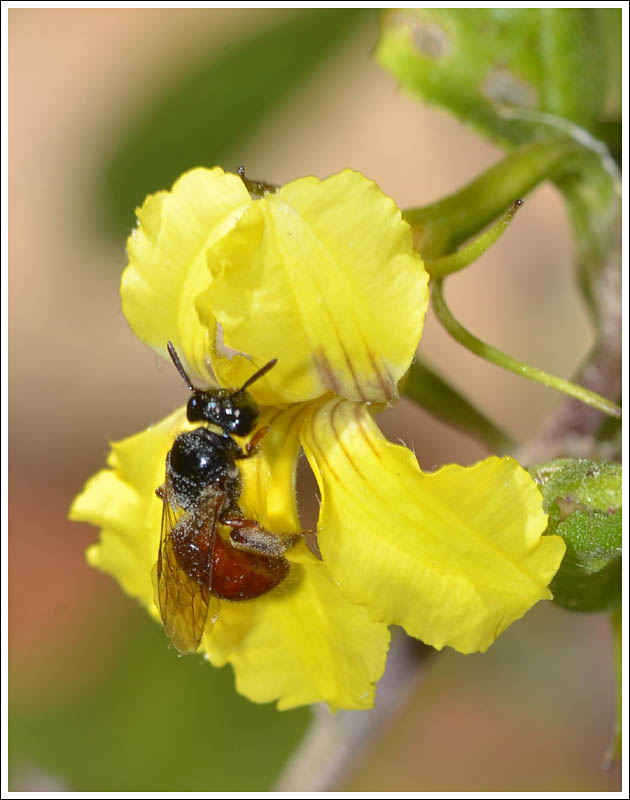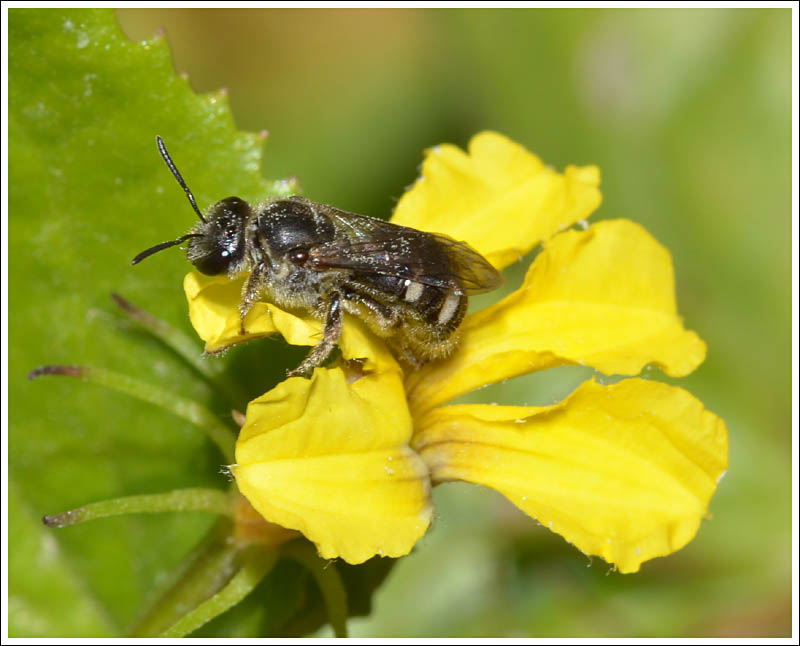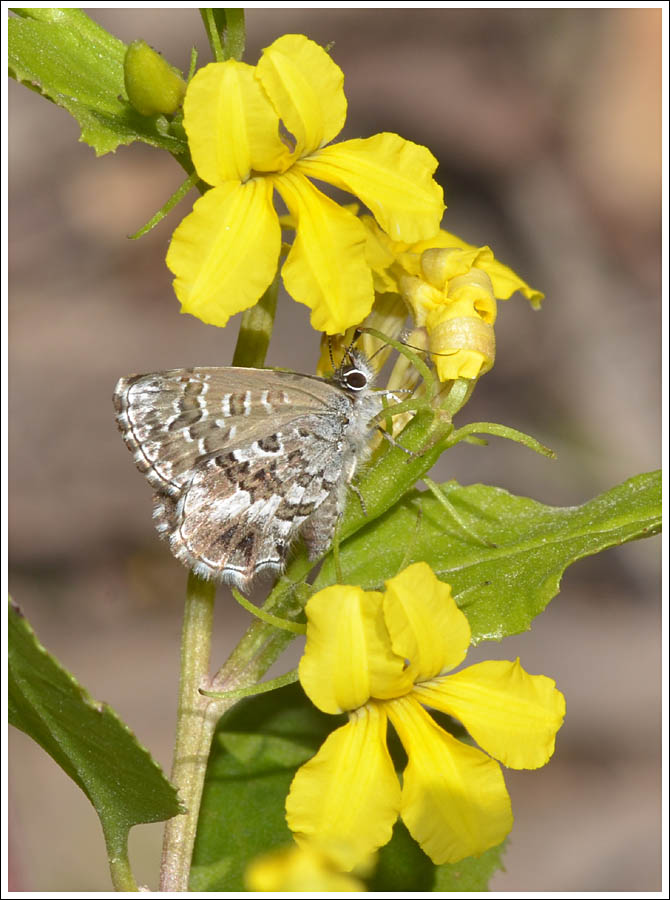
Another selection of photographs taken in the garden ecosystem, beginning with a male Lasioglossum bee nectaring on the white Digger’s Speedwell. The second shot caught it just as it flew off to fresh fields and flowers new.


Shield bugs have been not uncommon,

including this spined species on the big old hybrid correa,

with close by a batch of eggs, not long laid, possibly by the above individual.

The correa is a rich source of photographs, a mantis egg case with an arboreal cockroach nymph, Ellipsidion australis.

Damselflies find it a good place to hunt and perch, a female Blue Ringtail, Austrolestes annulosus.

Green Long-legged Flies have, like hoverflies, been in unprecedented numbers.

The Leptospermums are in flower and attracting a range of nectaring insects. An Australian Admiral, Vaness itea had been very elusive, but on this occasion was so intent on feeding that it disregarded the photographer.


The strawberry bed has also been a good photo spot with again, the green flies,

the attractive little cockroach nymphs,

and ladybirds.

And with so many insects about there are of course predators, in this case again in the strawberry bed, a lynx spider, either Oxyopes elegans, or gracilipes, the two are very difficult to tell apart in the field. Note the dark stripe on the front leg femurs, common to both.

Assassin bugs are predators that come in a variety of shapes and sizes, some are attracted to light, like this individual that came to the moth light in the garden.

Click images to enlarge.