New Year.

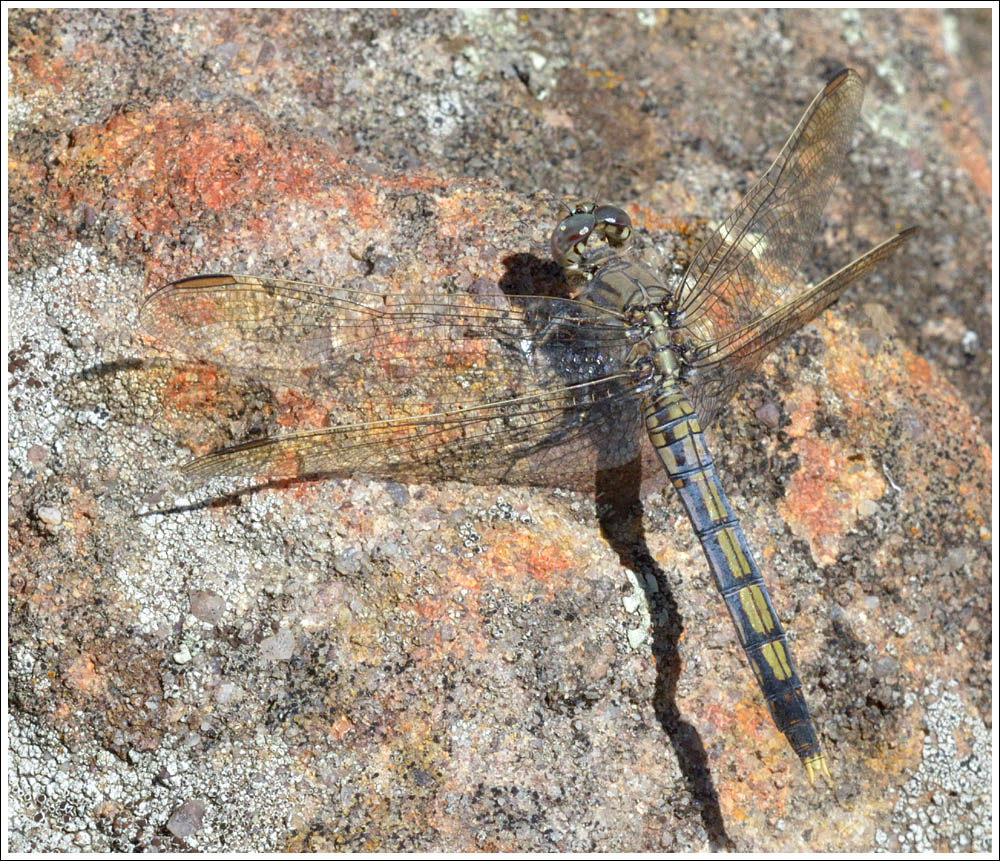
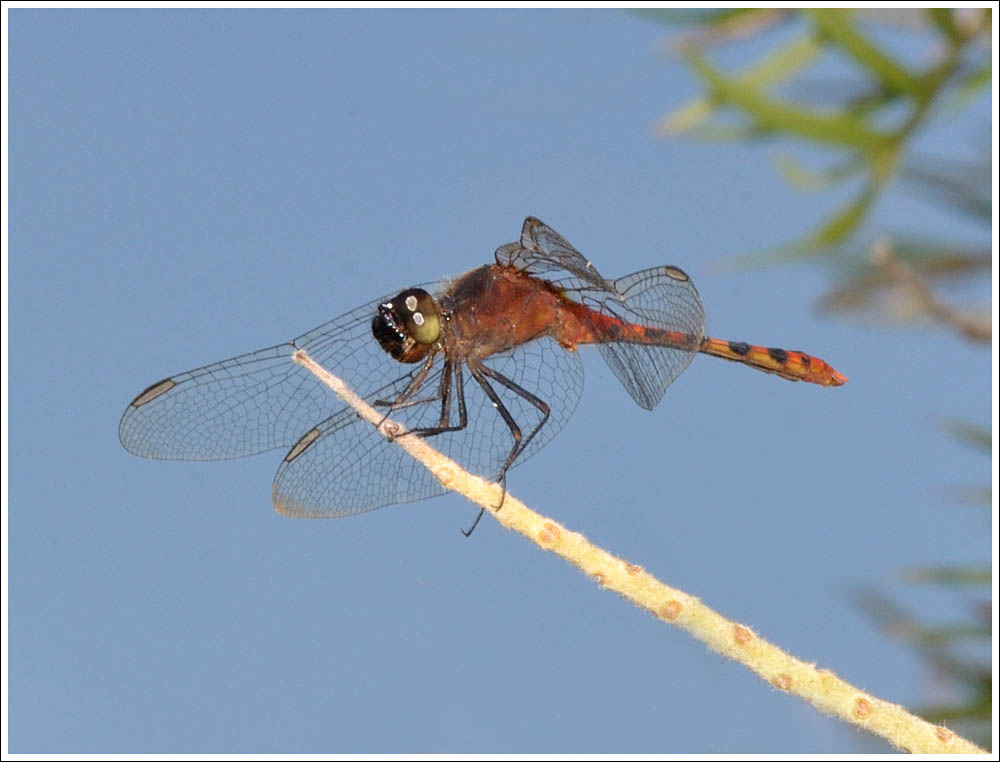
Some old friends for this first post for 2021, Starting with a nicely coloured male Black-faced Percher seen against the blue sky.

Diplacodes melanopsis.
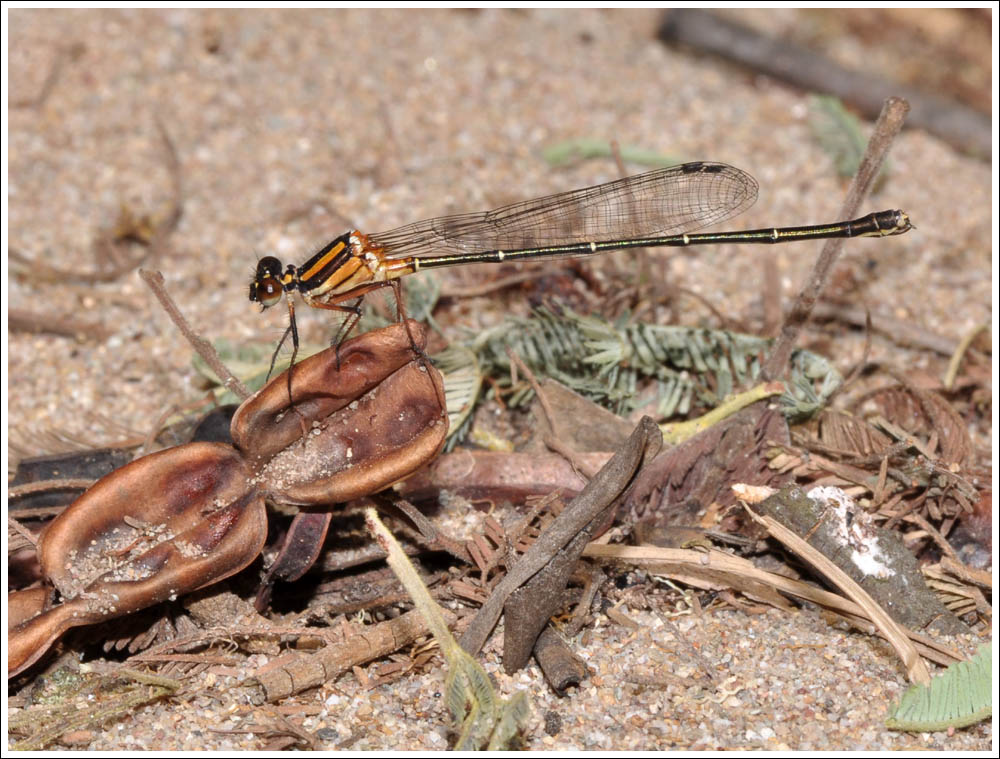
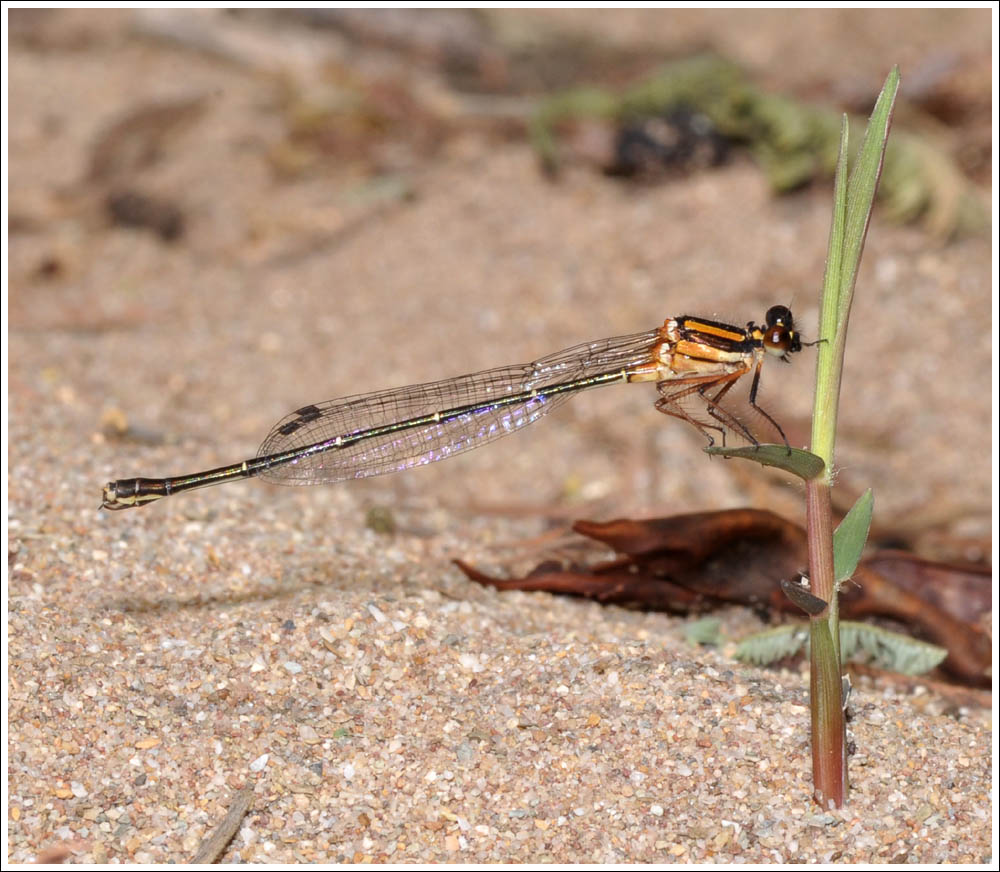
Down by the river Common Flatwings are the most numerous damselflies, but a female Orange Threadtail was cooperative and allowed a few snaps.

Nososticta solida.
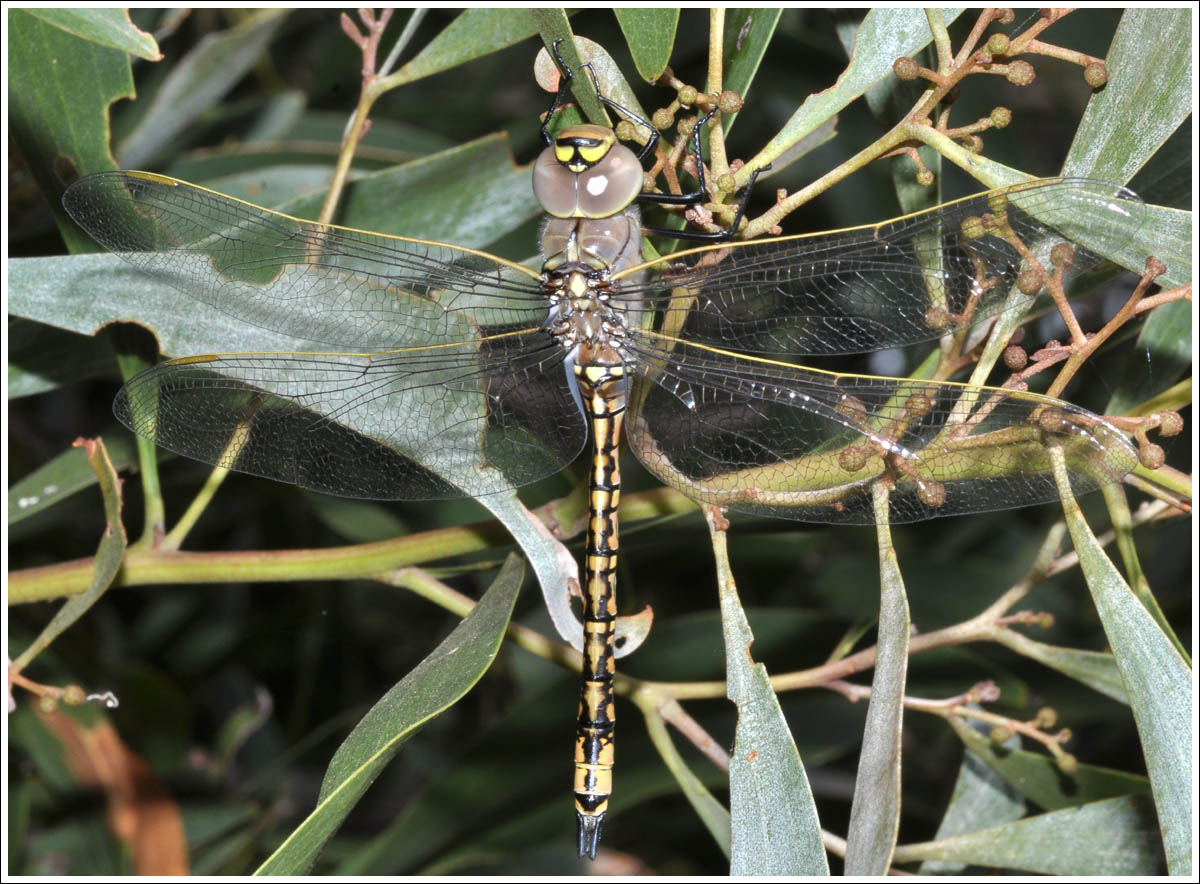
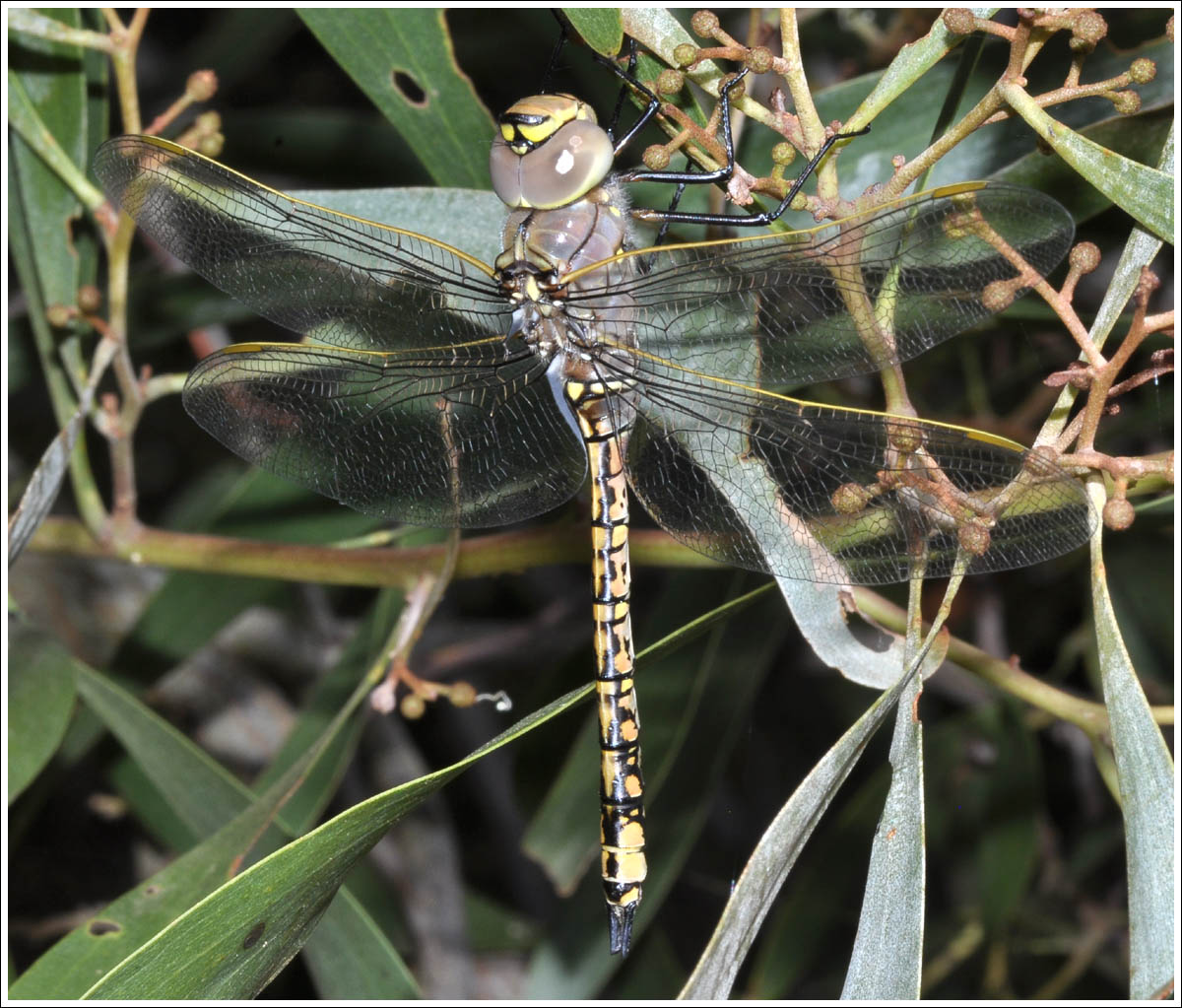
Along the old road reserve a dragonfly flushed from the grass and flew to a Blackwood, where it perched quite unconcerned by the photographer. It is an Australian Emperor, a pristine specimen and an occasional record for the location.

Anax papuensis.
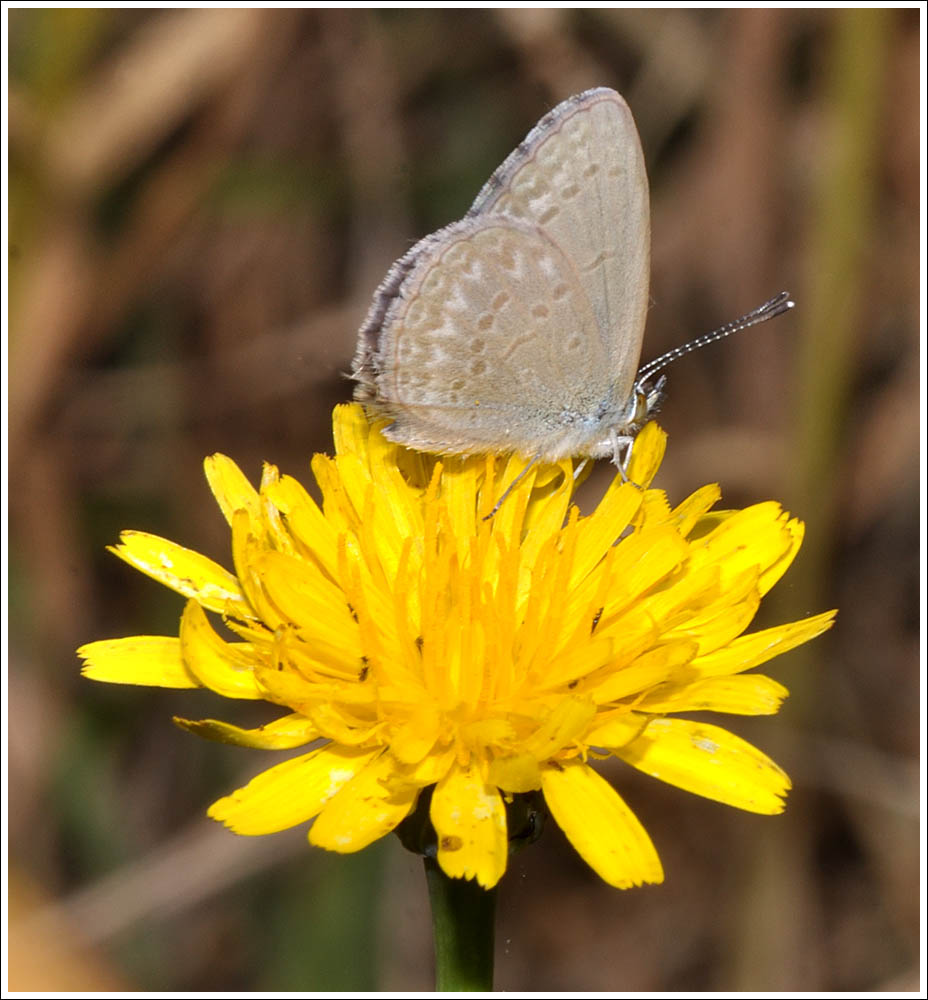
Flitting Common Grass Blues are extremely numerous along the old road but nevertheless are always checked in case of something different.

Zizina labradus.
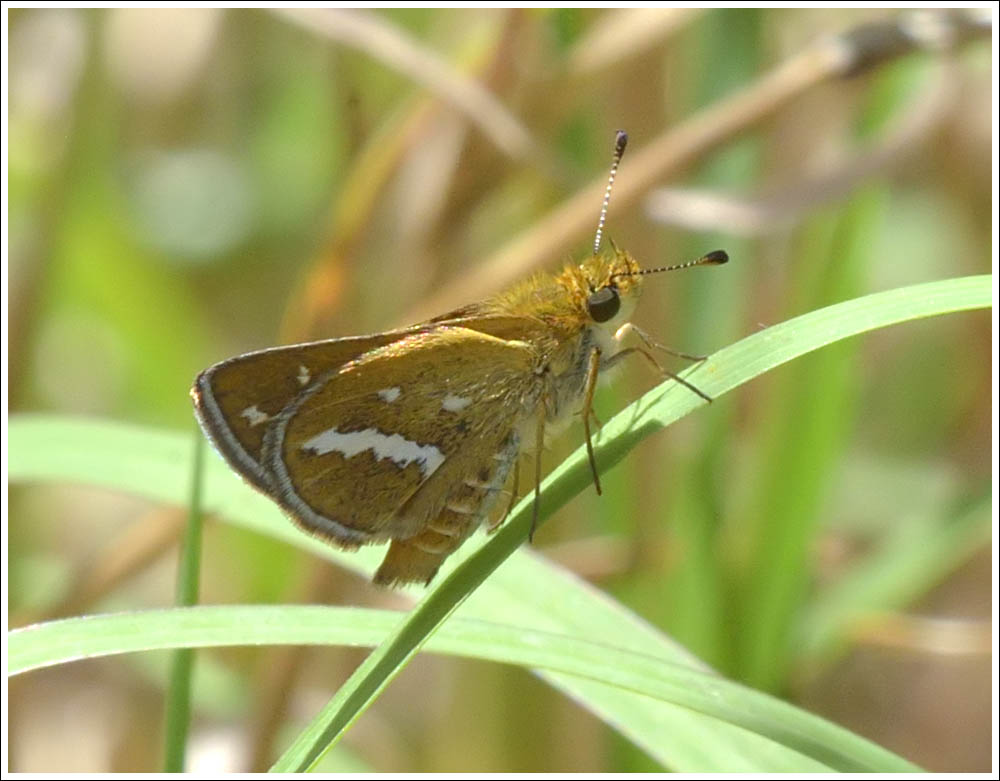
This paid off with closer examination of a tiny butterfly that looked slightly different, and became the first record of a White-banded Grass-dart.

Taractrocera papyria.
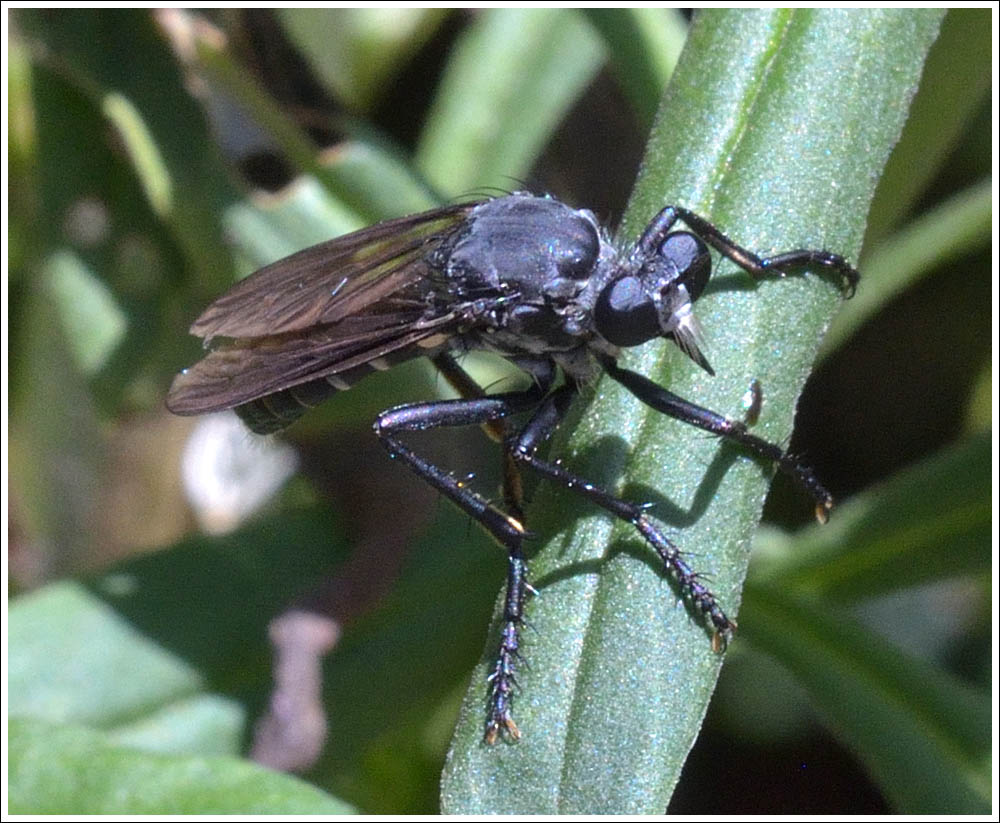
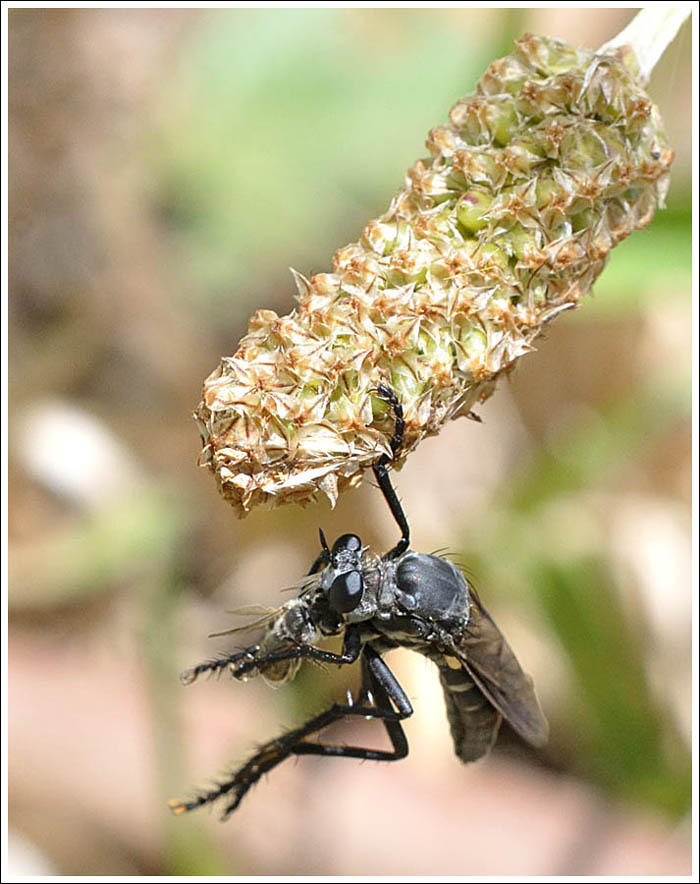
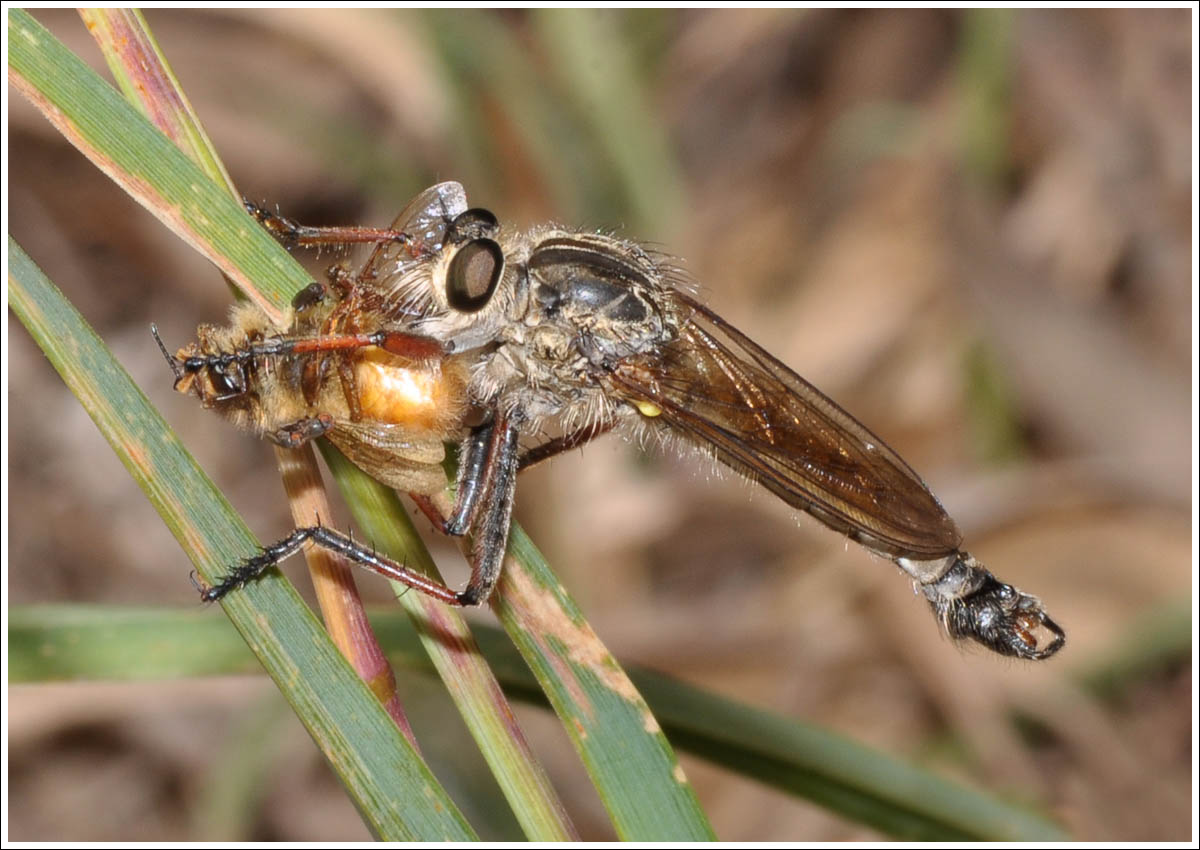
Robberflies are good photographic subjects, this one has a hearty meal.

Subfamily Asilinae.
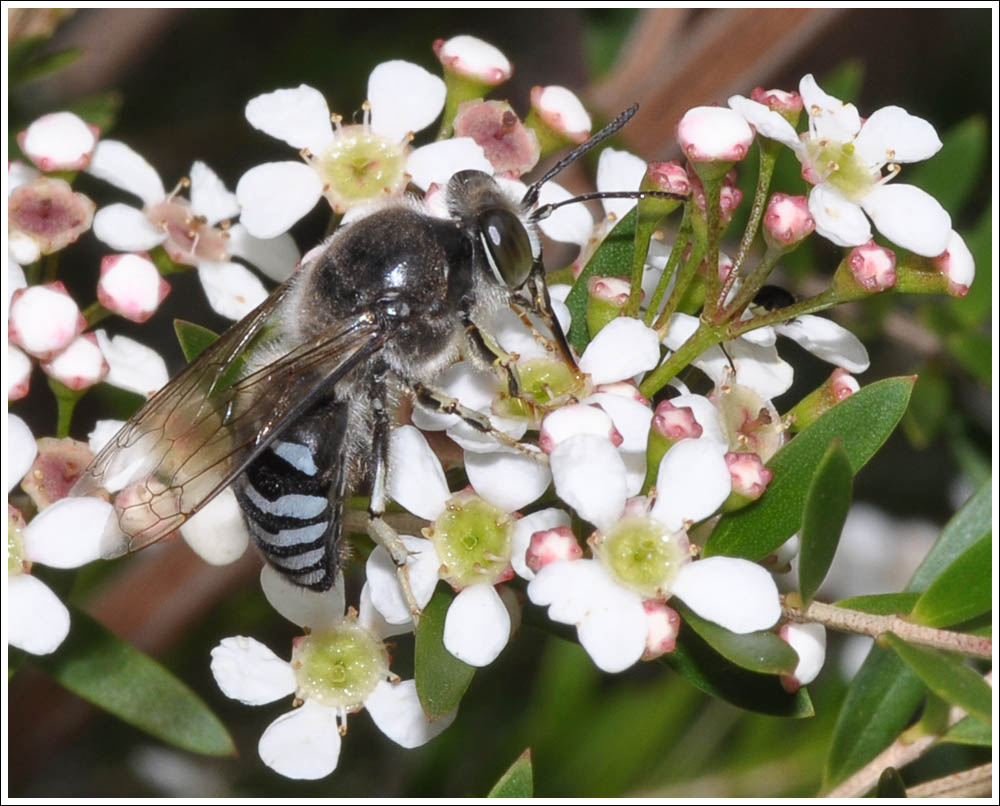
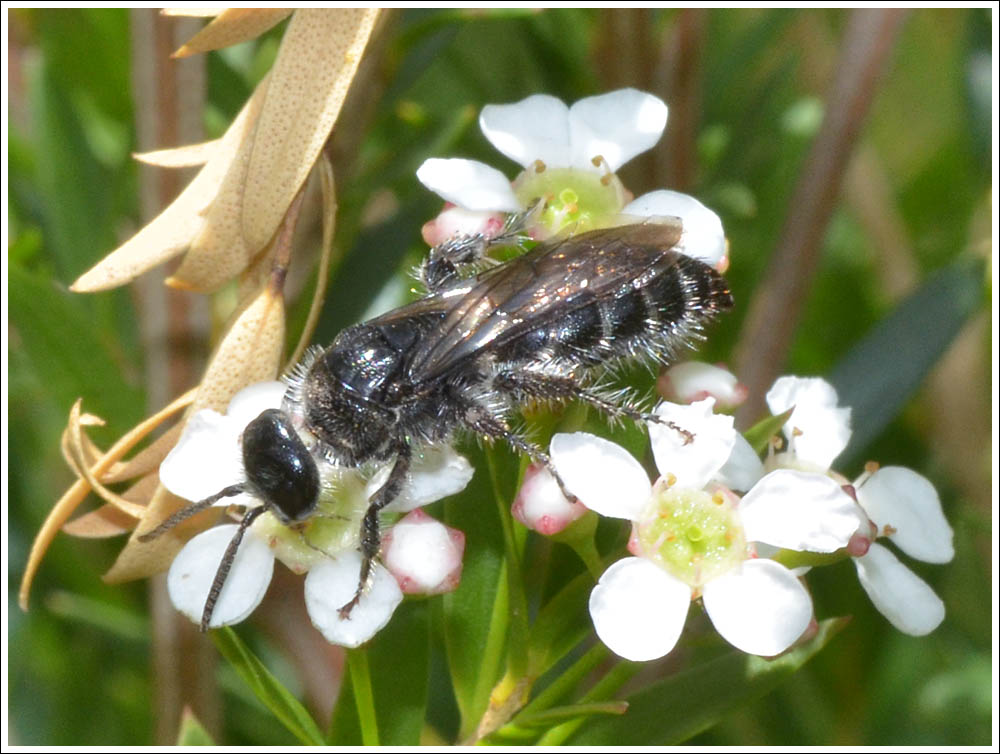
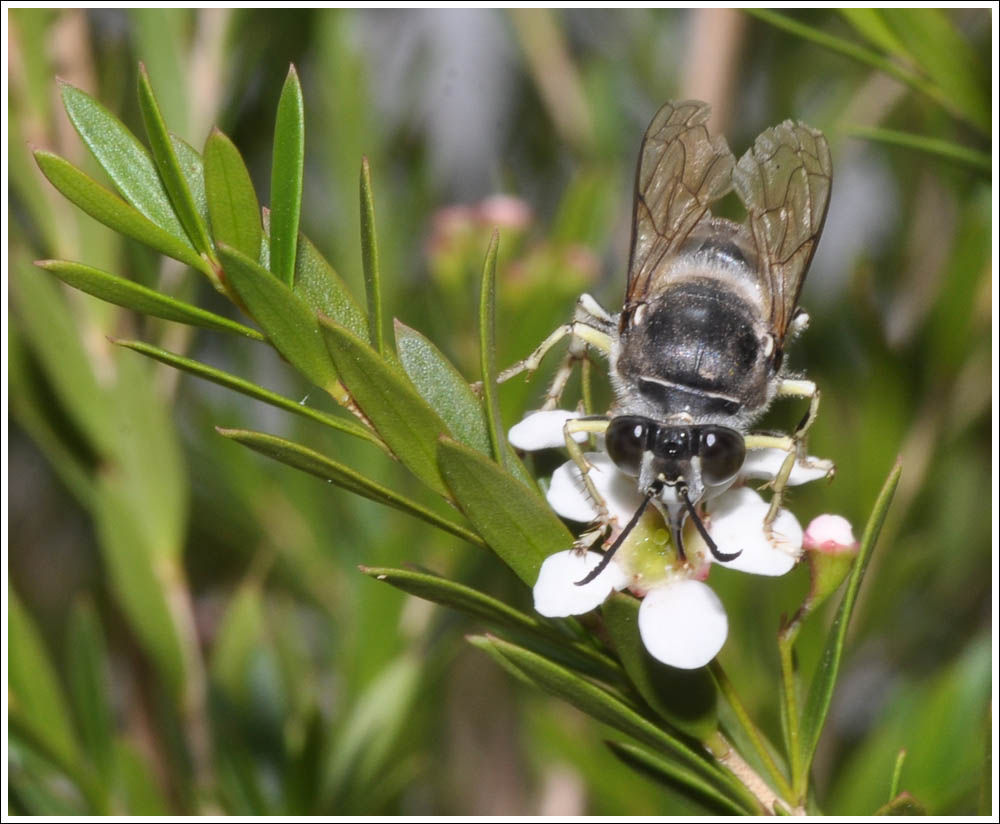
Back in the garden the Sand Wasps are still hard at work, and keeping up their energy by nectaring in the Sannantha pluriflora.

Bembix species.
Click images to enlarge.
Year’s End.

A selection of shots to finish out 2020, a year that for invertebrates has been more encouraging than the last, with reasonable numbers of a variety of species observed. Some have been sparser than normal or even absent, while others have been in good numbers. A lot more study is needed for the bigger picture to become clearer, but we live in hope.
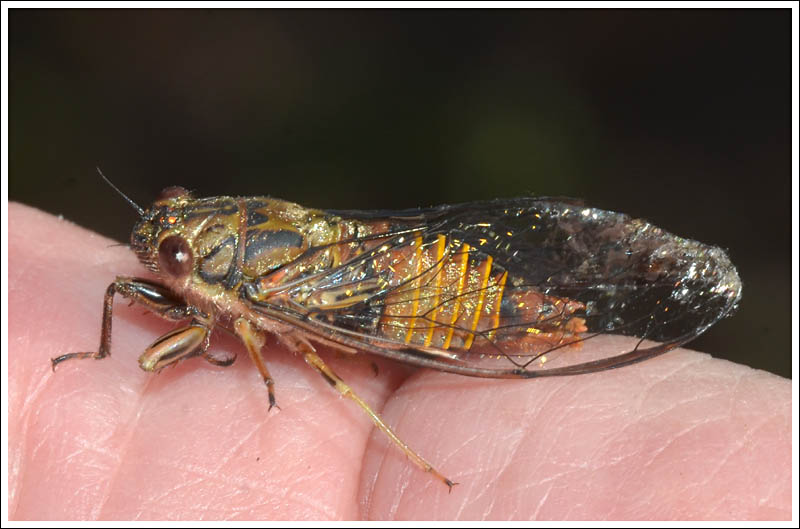
With the hot weather yet to arrive cicadas haven’t been all that noticeable, but this small one was spotted on the concrete. It was picked up out of harm’s way and photographed before re-locating to a safer spot. It is Yoyetta celis, the Silver Princess.

While waiting for the butterflies to come in to the Xerochrysums, a Blue Skimmer landed close to the camera tripod. The blue colour is starting to appear on this individual.

And nearby, a robberfly, Apothechyla species landed on a callistemon giving a good view of its rostrum. this is the same species photographed recently with prey.

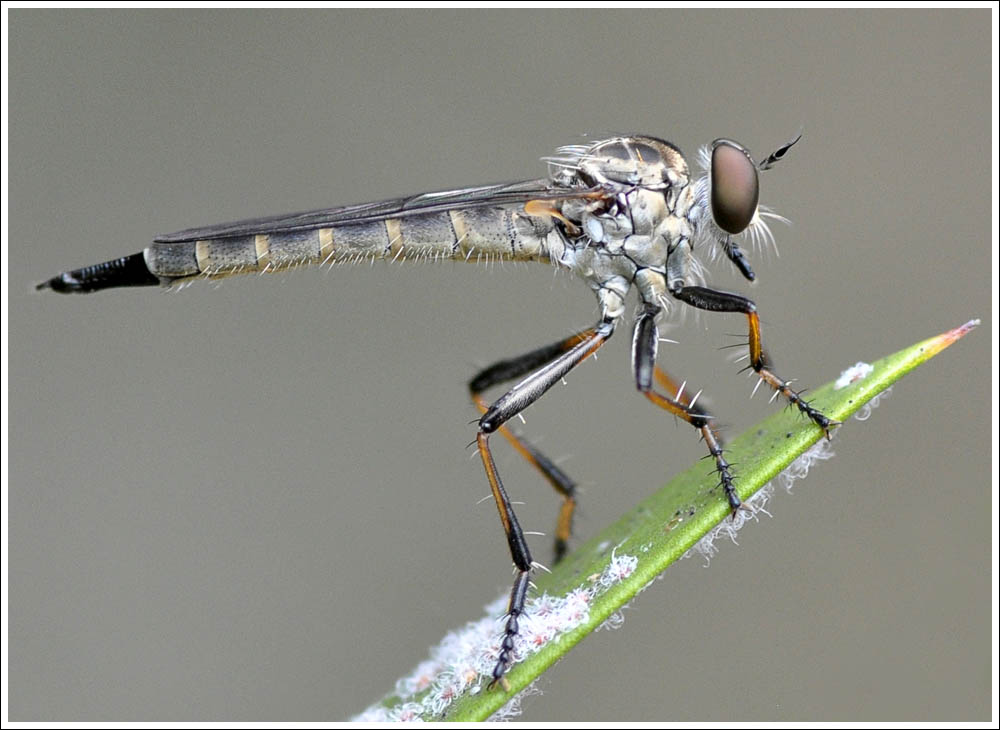
A smaller robberfly was photographed using flash with poor results, so another attempt was made during a lull in the breeze using natural light, giving a much better outcome.

This insect is a tricky one, looking at a casual glance to be a wasp. It is however a wasp mimicking hoverfly, Ceriana species, possibly C. breviscapa. Colour markings, and the small waist strongly resemble a potter wasp, but the clubbed antennae are quite different.

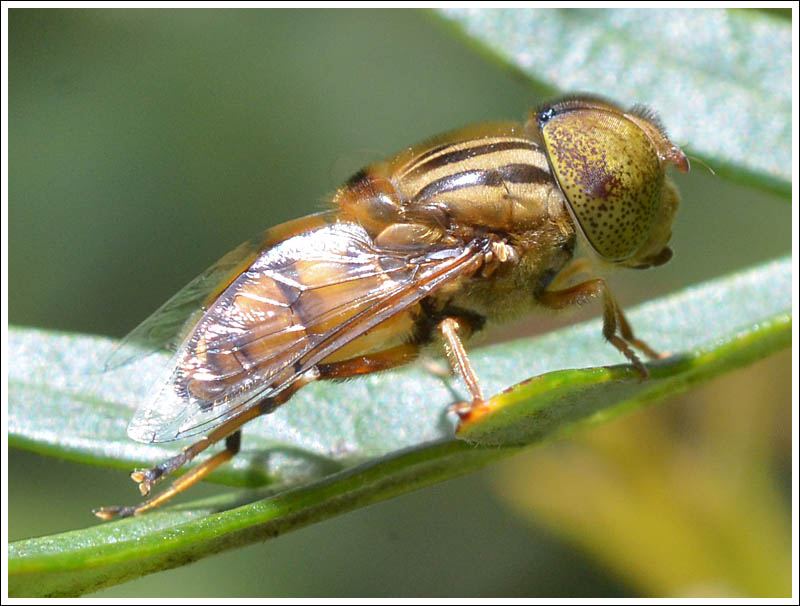
Drone flies have been about but hard to catch up with, finally though,

Eristalinus punctulatus.

Three wasp shots to finish the year, a Hairy Flower Wasp, Subfamily Tiphiinae,

A native bee parasite, Gasteruption species,

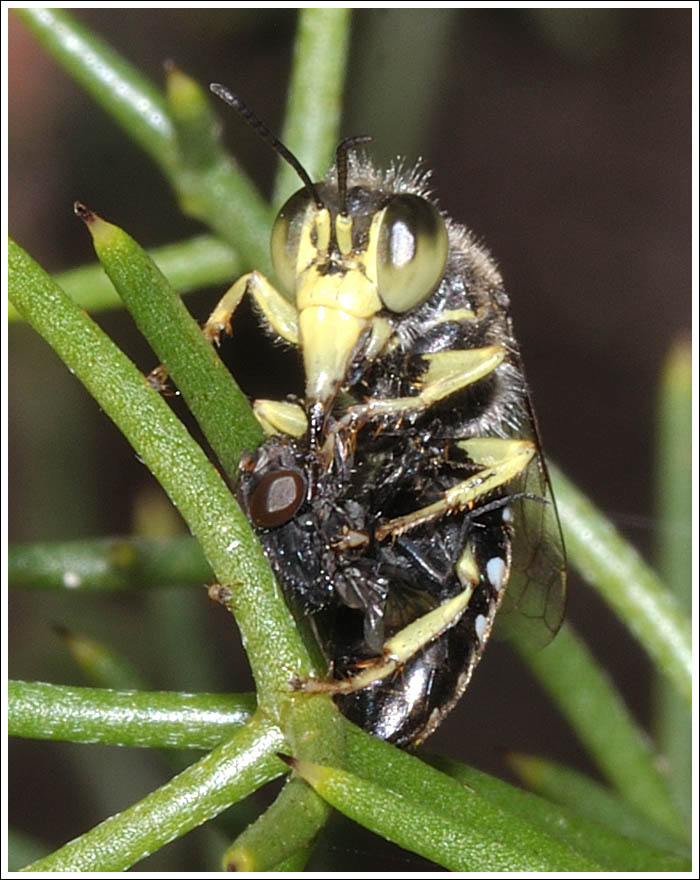
And a Sand Wasp, Bembix species with a fly for its nursery burrow.