Pollinators Aplenty #2.

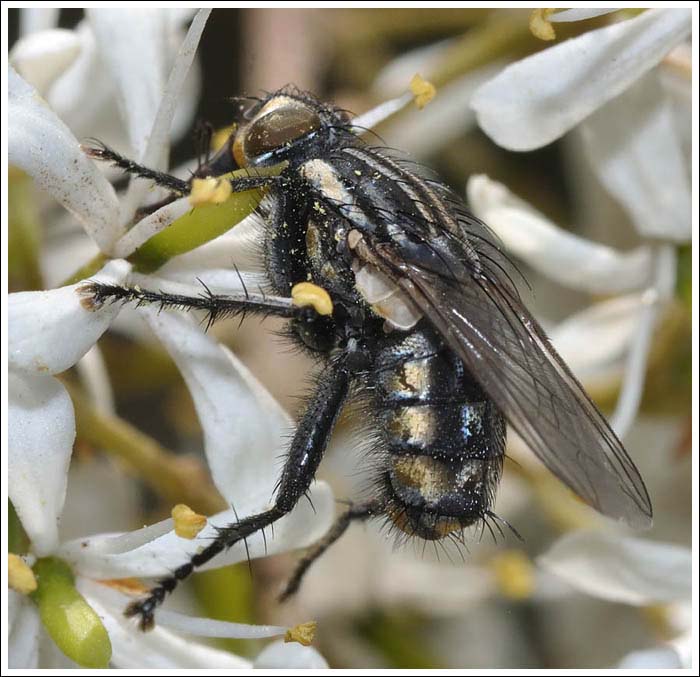
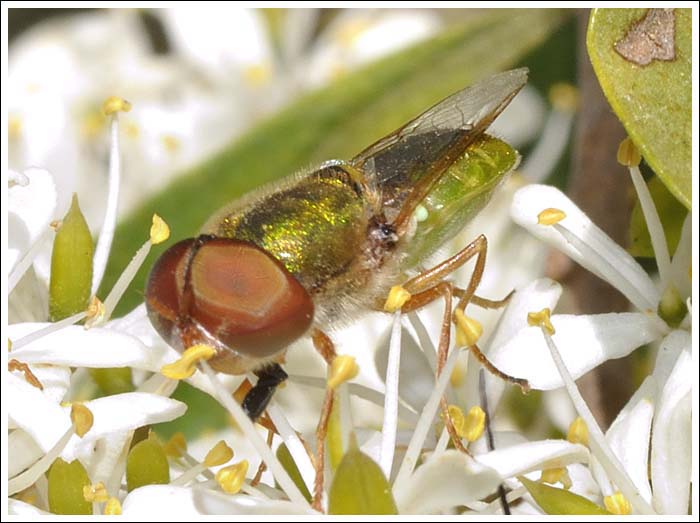
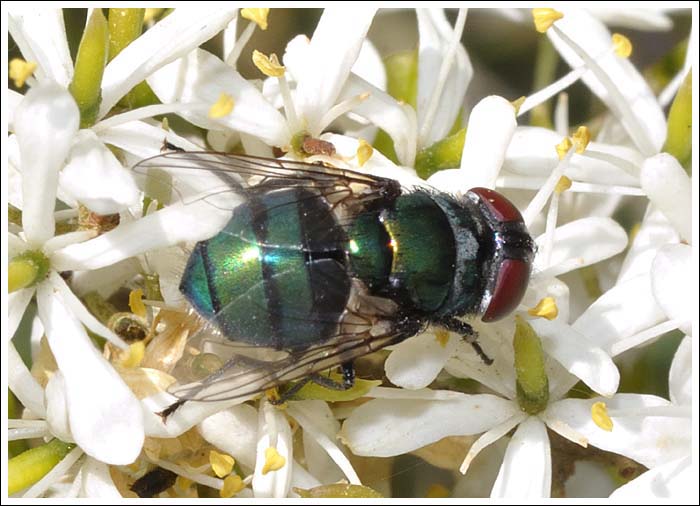
Flies are efficient pollinators too, here are three from the same Bursaria.

Striped Dung Fly, Oxysarcodexia varia.
Green Soldier Fly, Genus Odontomyia.
Oriental Latrine Fly, Chrysoma megacephala.
From previous outings, two native bees.

Lipotriches (Austronomia) australica.
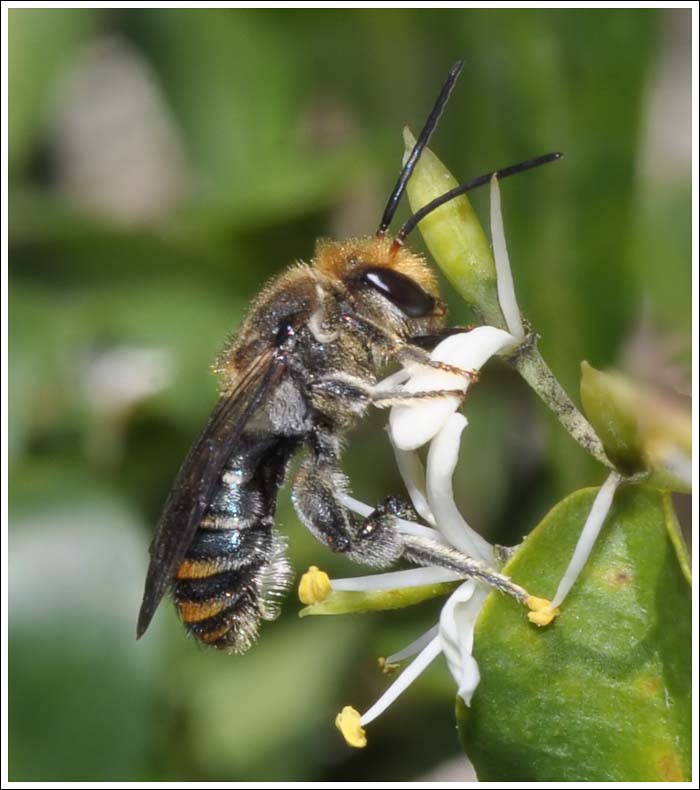
Genus Euryglossa, click to enlarge.
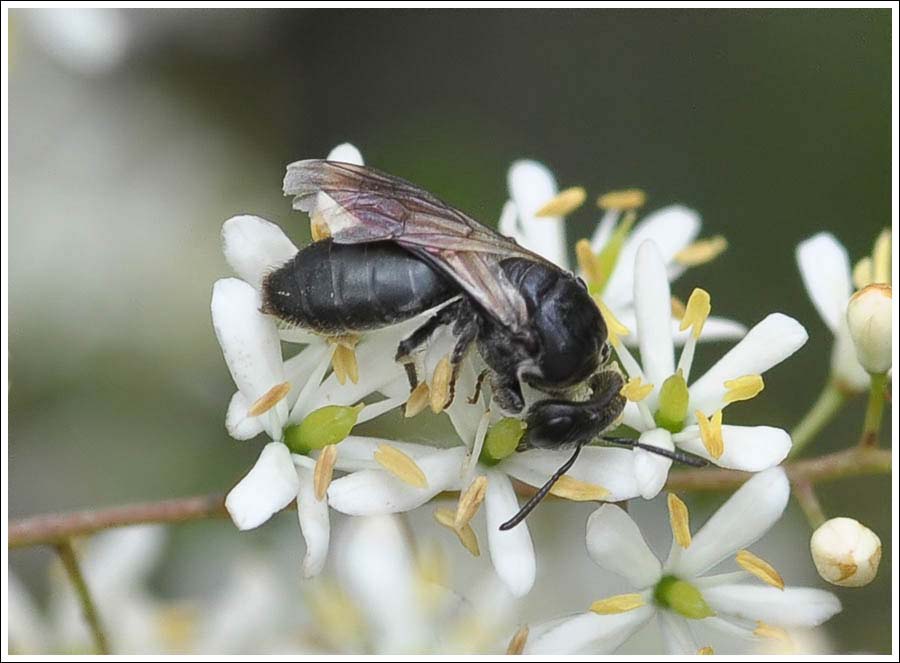
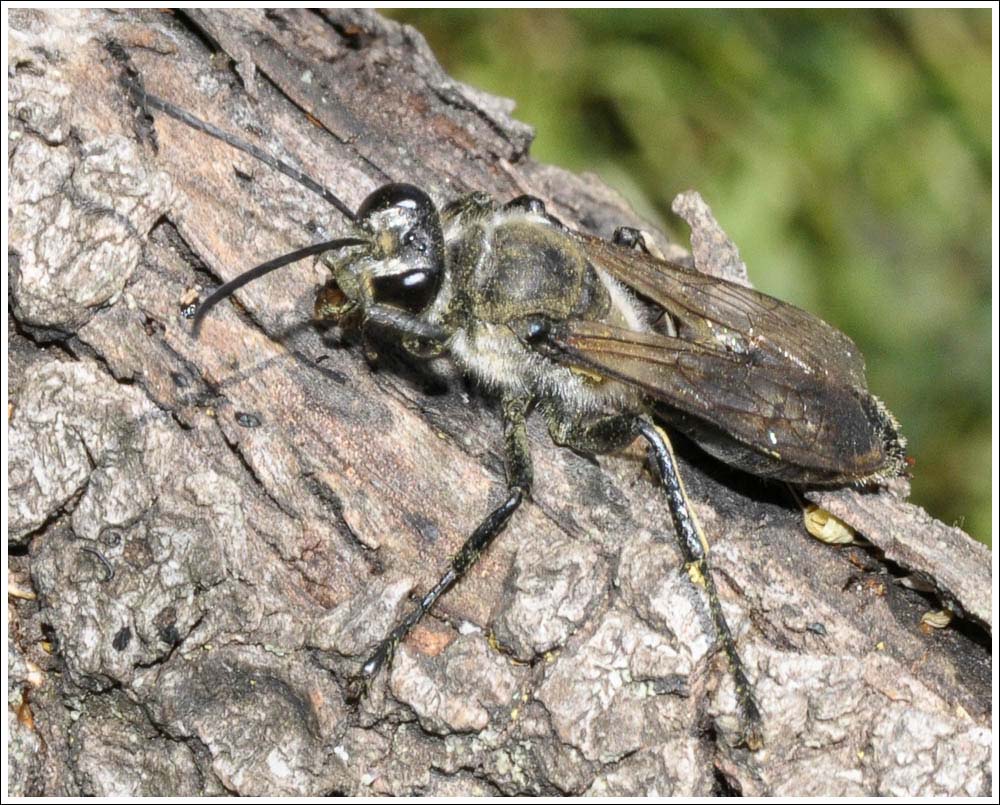
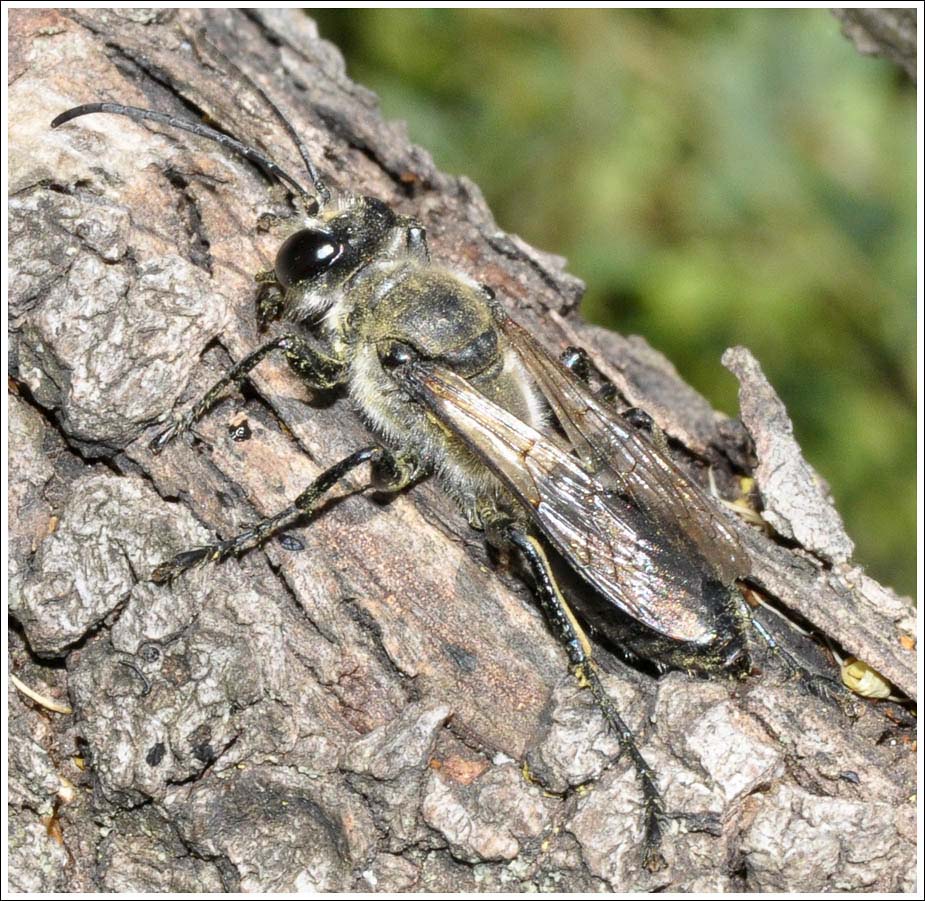
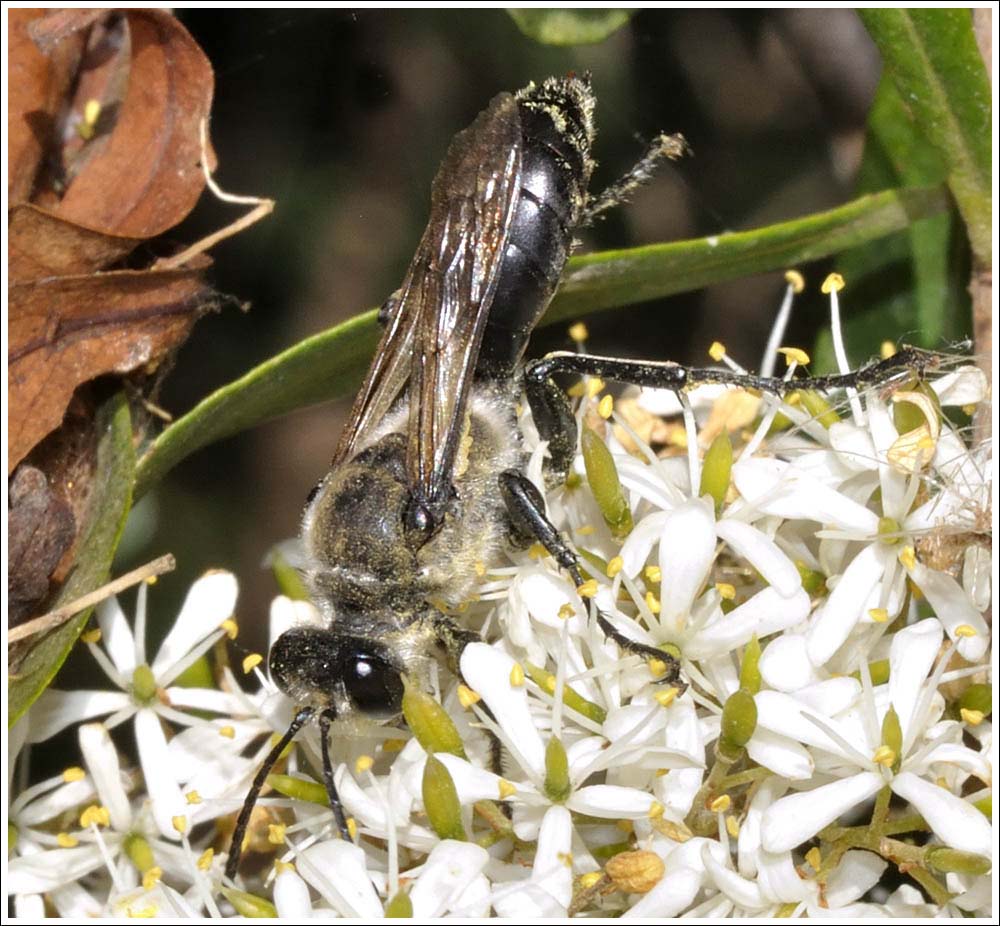
A Black Digger Wasp, family Sphecidae,  click to enlarge.
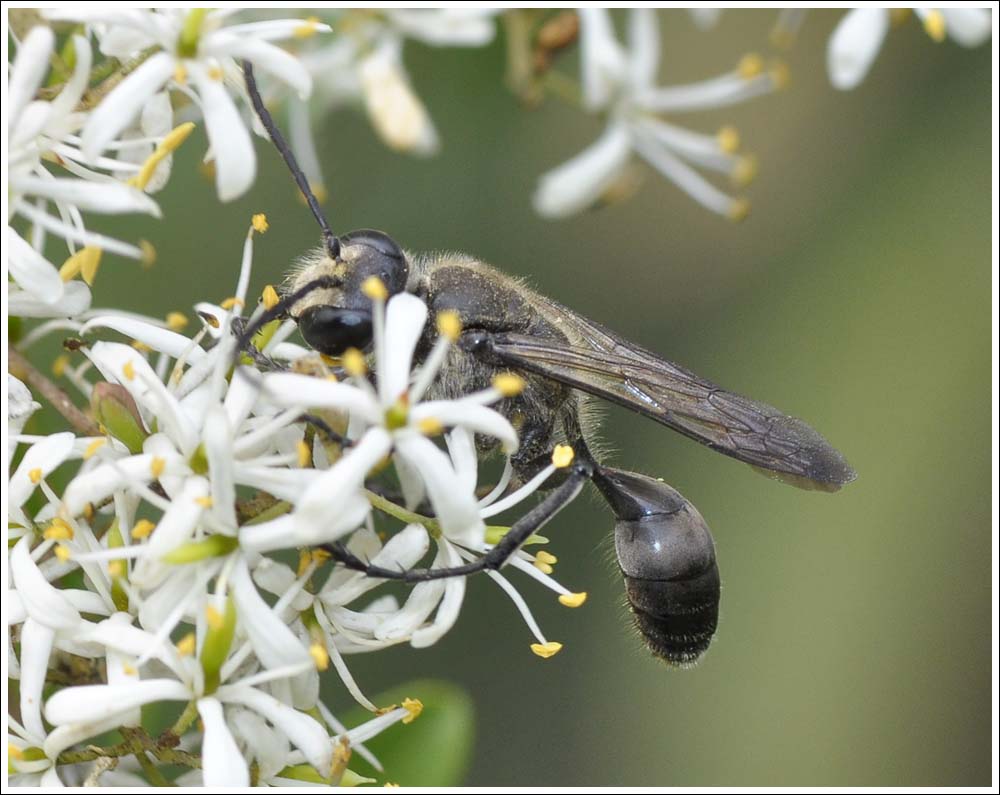
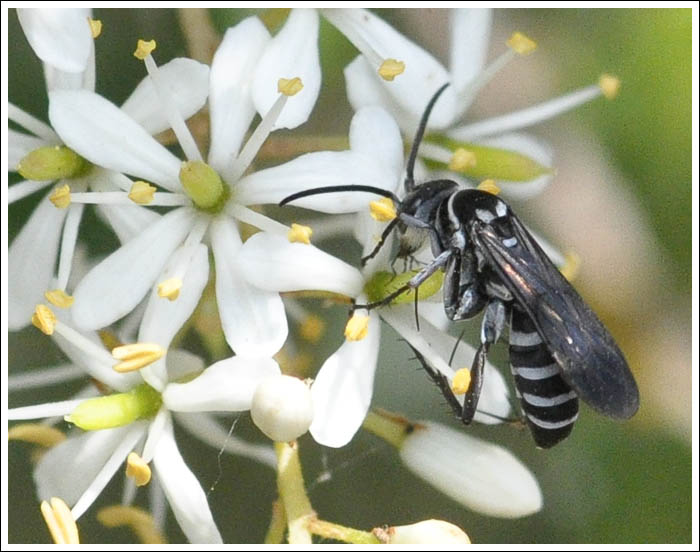
A very smart Zebra Spider Wasp, family Pompilidae.
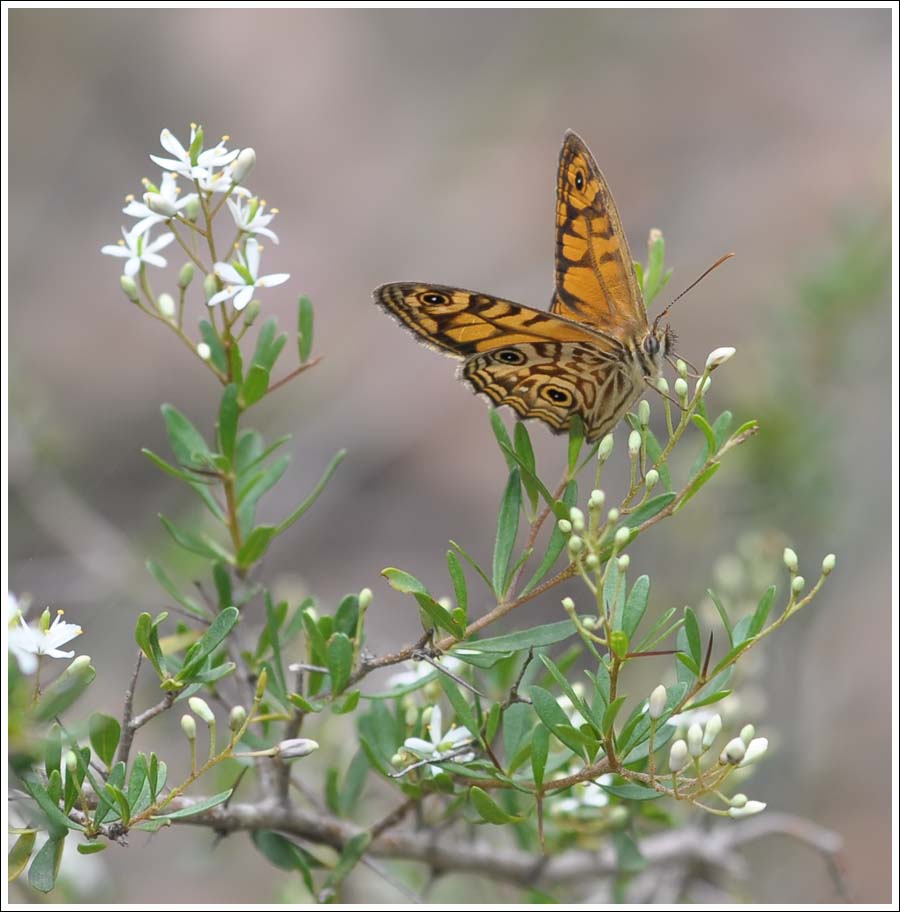
Butterflies too love Bursarias, Eastern Ringed Xenica, click to enlarge.
Plant some Bursarias!
Pollinators Aplenty.

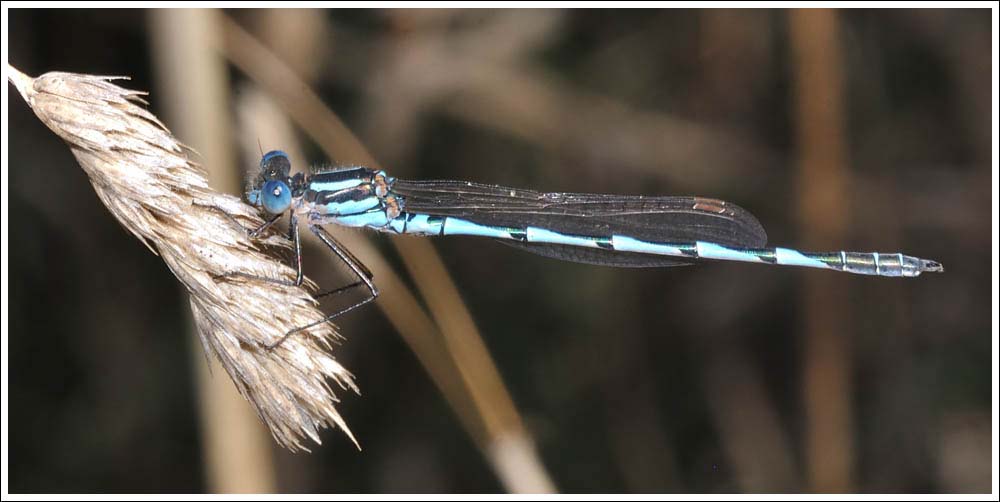
A noticeable feature of Bursaria spinosa post flowering is the huge number of seed capsules. Little wonder really when observing the variety of insects that feed in and pollinate the wealth of small white flowers. Flora of Victoria notes that Sweet Bursaria, or Kurwan, occurs as a low shrub or small tree to eight metres tall, both are found in the local area. John Landy in his delightful book A Coastal Diary, published in 1993, described the plant as an insect magnet, and inspired the planting of many Bursarias, and summer outings with the camera. In his book he mentions the number of assassin bugs seen on the Bursarias, there for the abundance of easily captured food items. On and around the large old multi-trunked plant featured in the following images, there was a surprising number of Blue Ringtail damselflies, probably there for the same reason.

Austrolestes annulosus.

On this day many different wasps and flies were the most numerous pollinating insects.

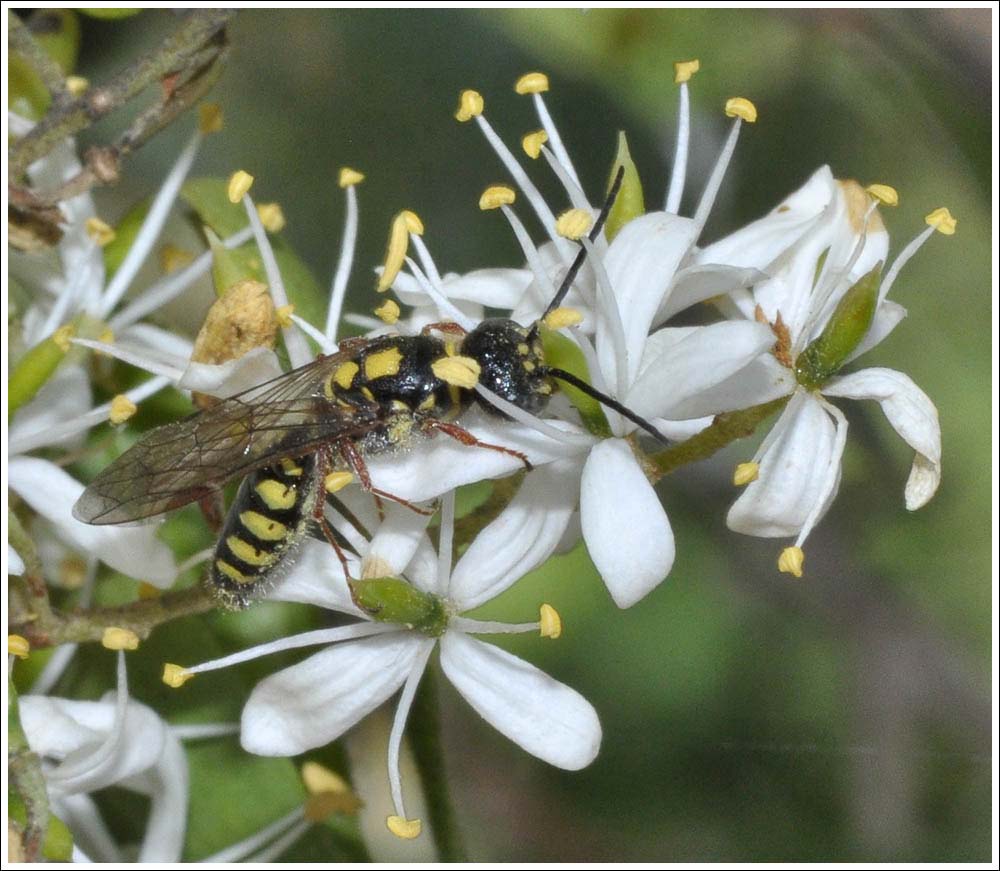
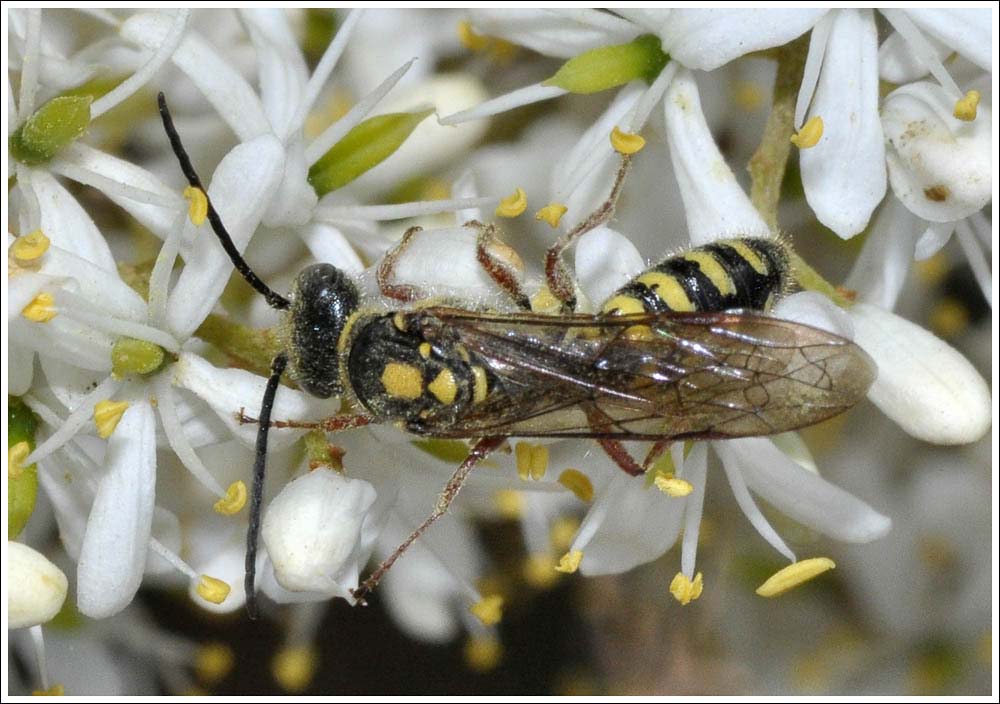
A species of yellow flower wasp, Genus Agriomyia.

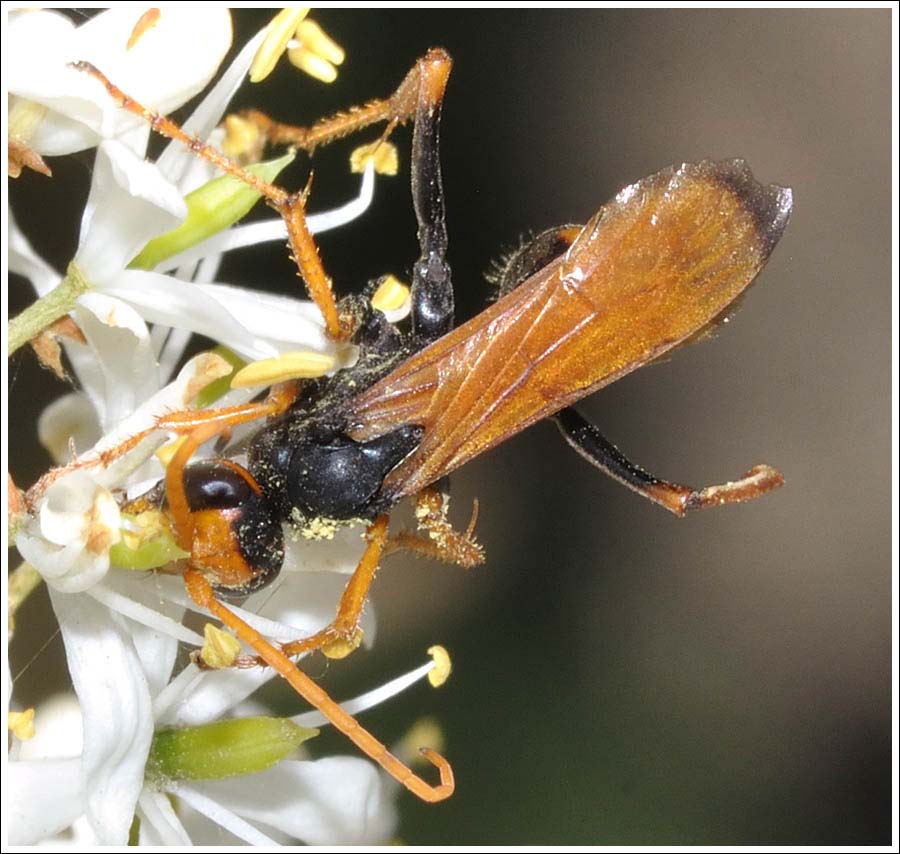
Orange Spider Wasp, Genus Cryptocheilus.

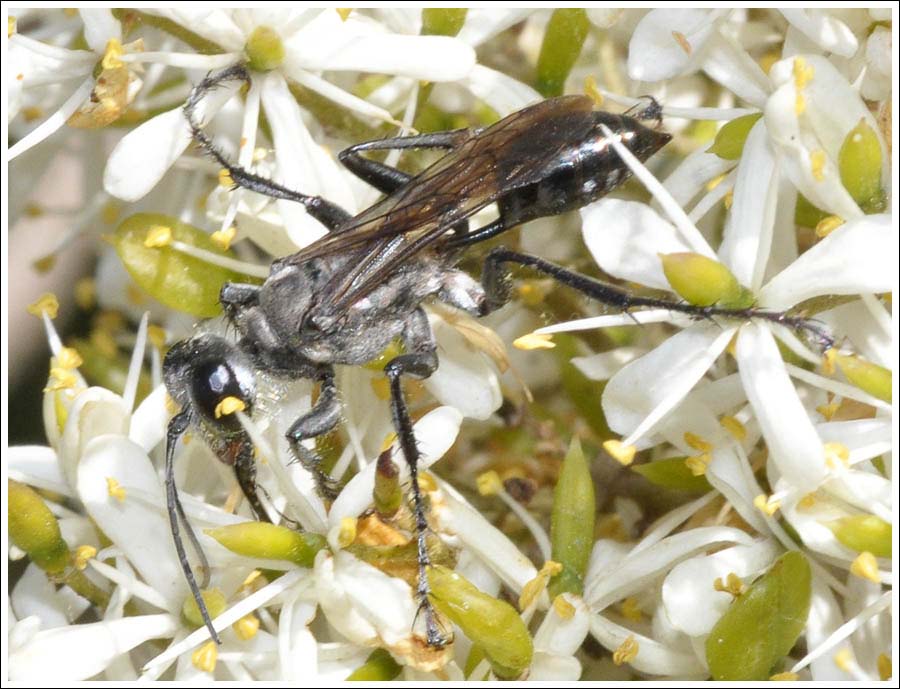
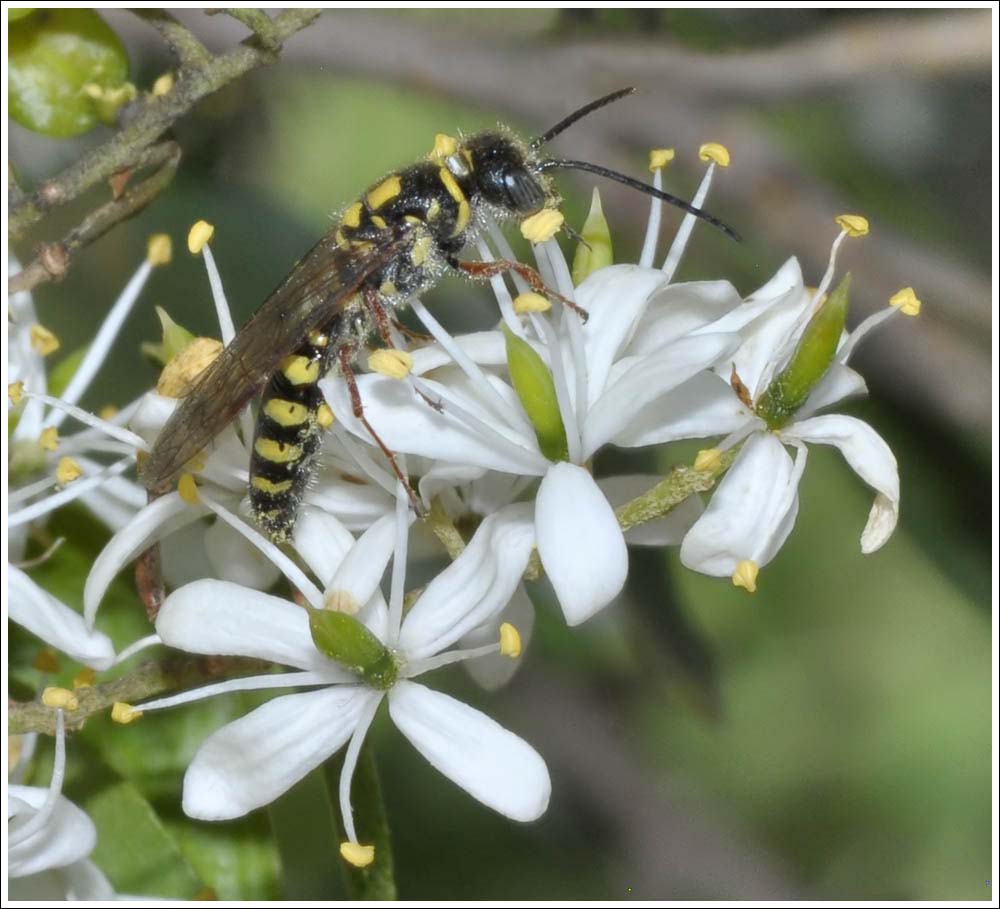
Yet to find basic info for this wasp.

This large Apoid wasp was elusive and took quite a bit of chasing before it finally relented and allowed the camera to capture some pictures.

Click to enlarge, to be continued.