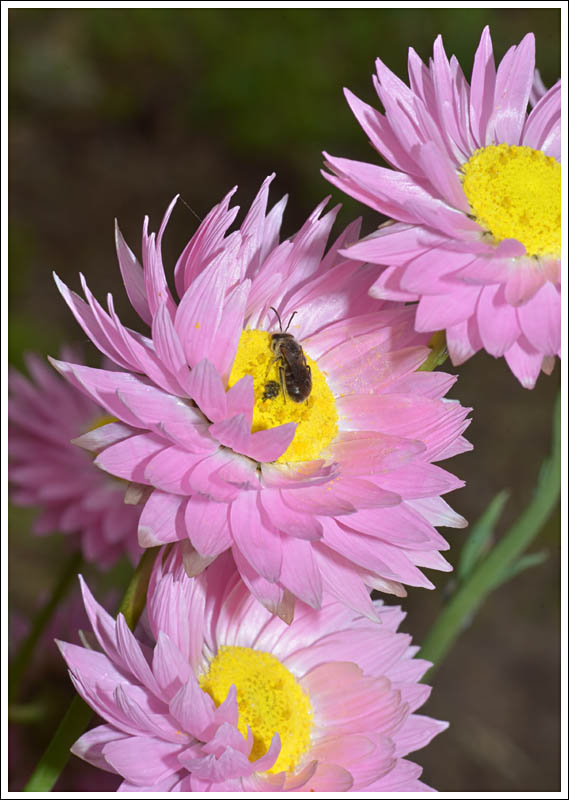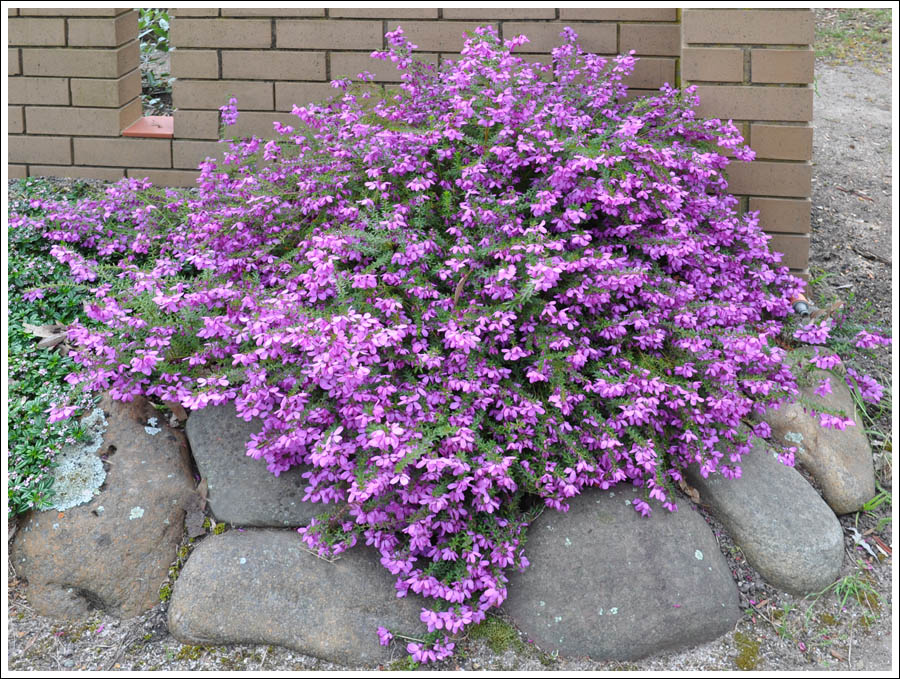
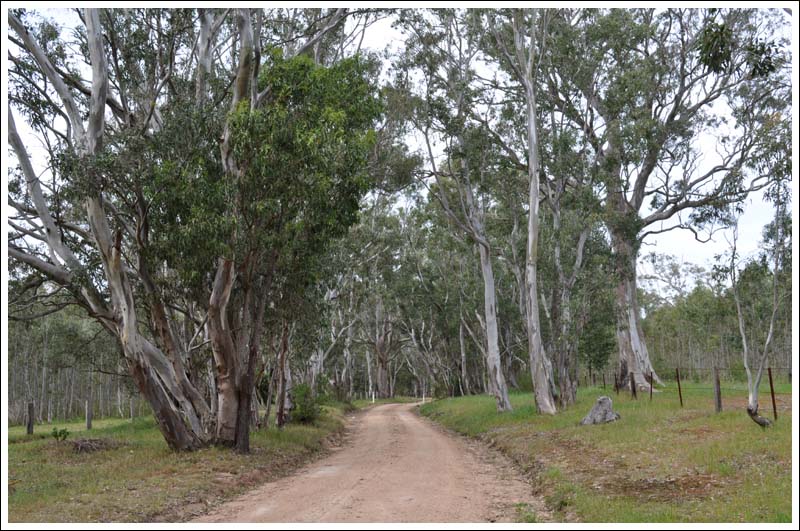
In areas of intensive agriculture, back roads and lanes are often the only places where remnants of the original native vegetation survive. Even then the smaller shrubs and plants may be gone leaving only the trees, valuable old hollow bearing examples, as well as younger regrowth. That is certainly the case in this locality where the flood plain and higher ground has been farmed for over one hundred and fifty years, but a drive along a little used lane above the plain provided a welcome surprise. On a high point among the Red Gums, E. tereticornis, a number of species were persisting among the introduced grasses and weeds, a number of Diuris sulphurea, Hibbertia obtusifolia, Hardenbergia violacea, Wahlenbergia quadrifida, and Xerochrysum viscosum to name the most obvious ones. The adjoining paddock used for grazing beef cattle also had some notable red gums, including one majestic example close to the lane.
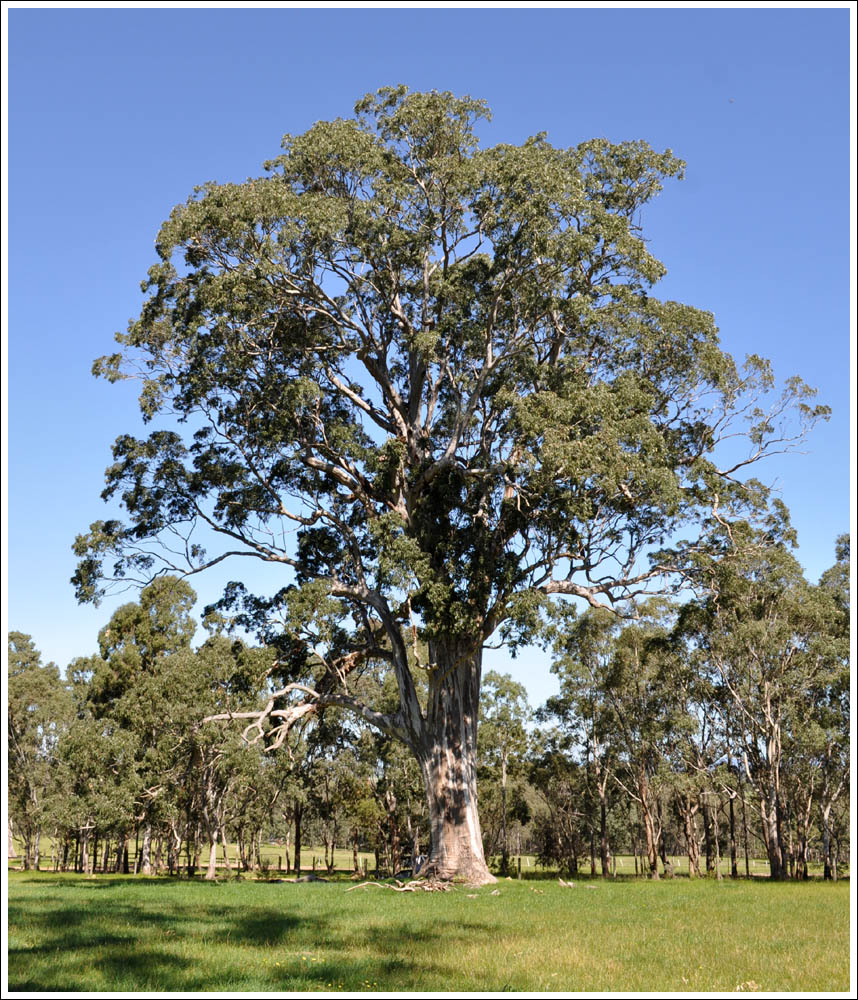
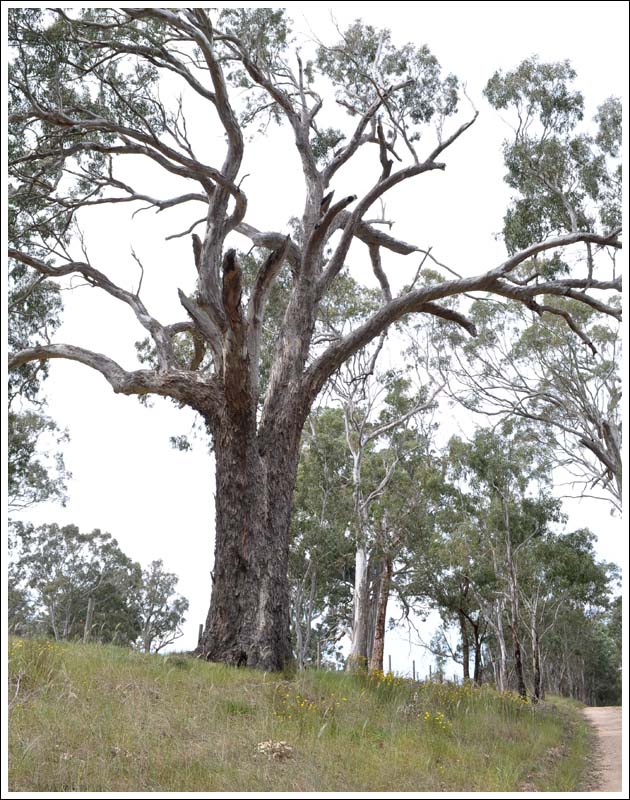
These old trees are vital nesting sites for birds like Eastern Rosellas, and Kookaburras.
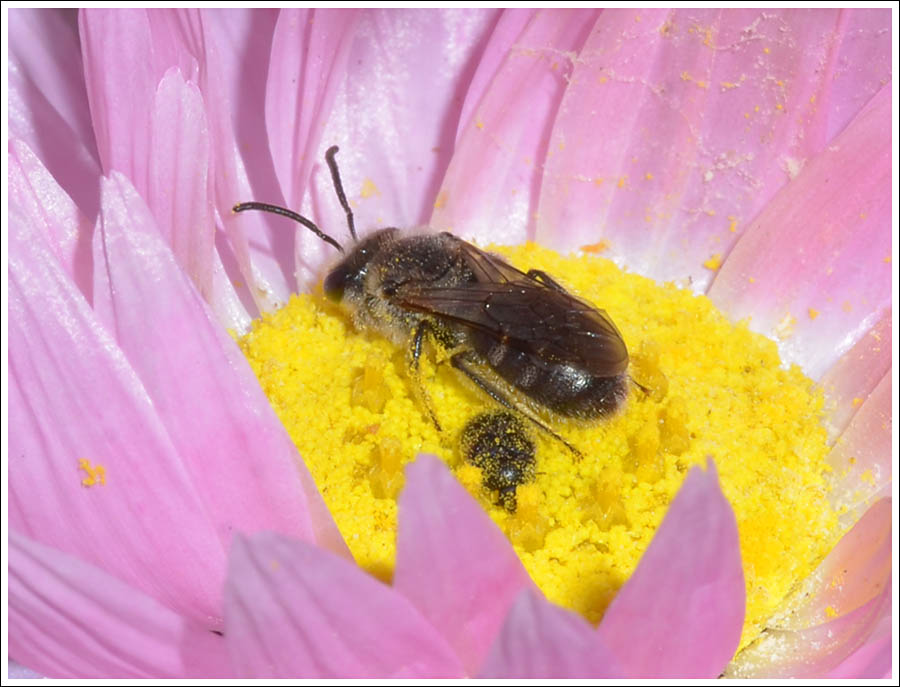
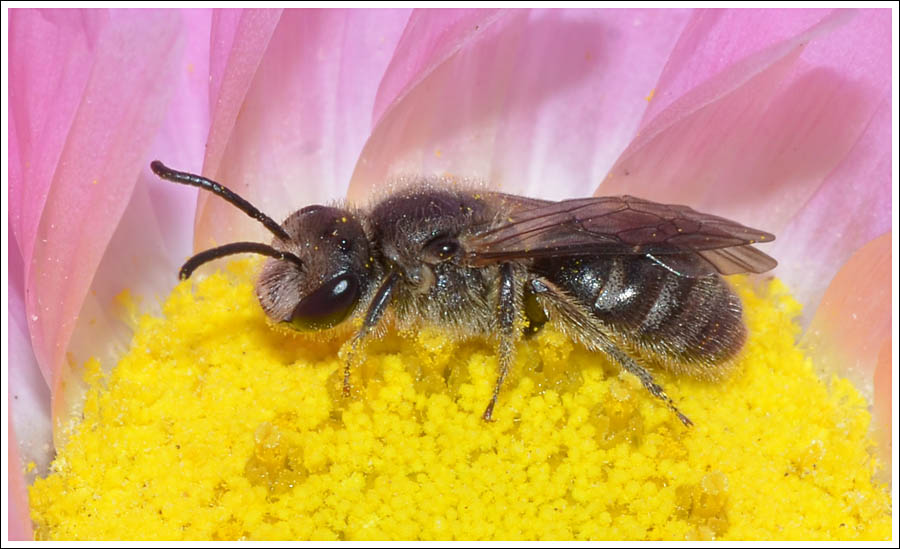
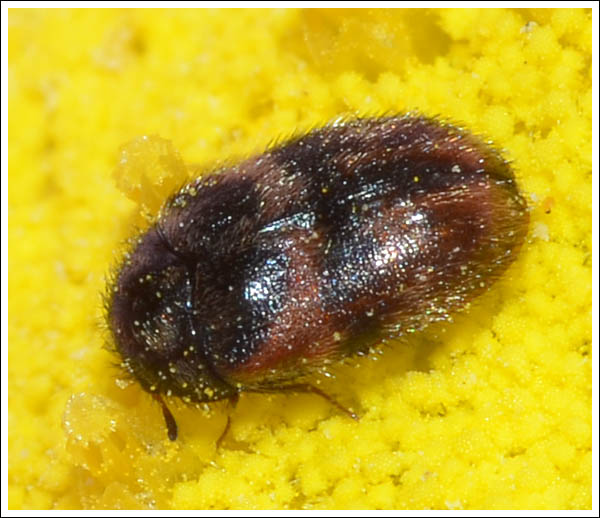
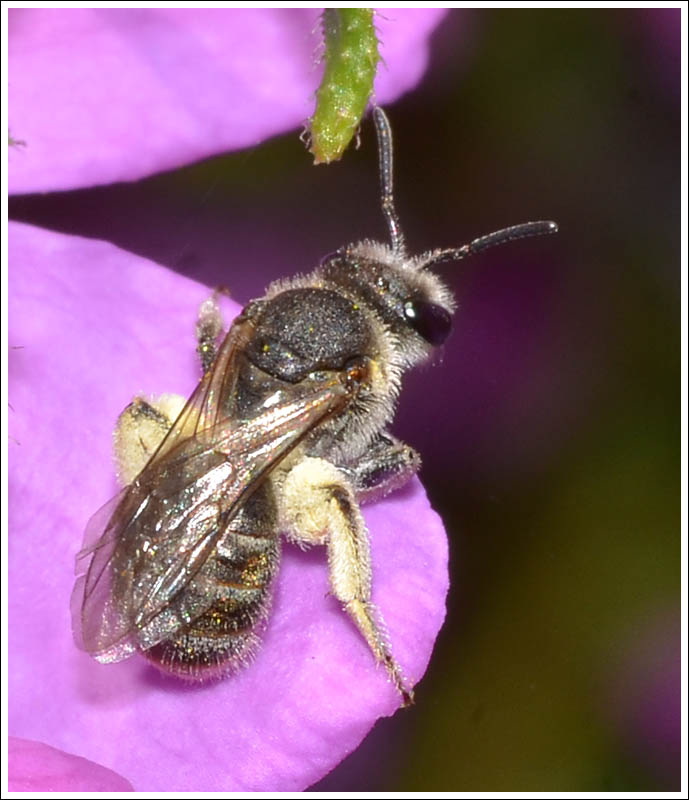
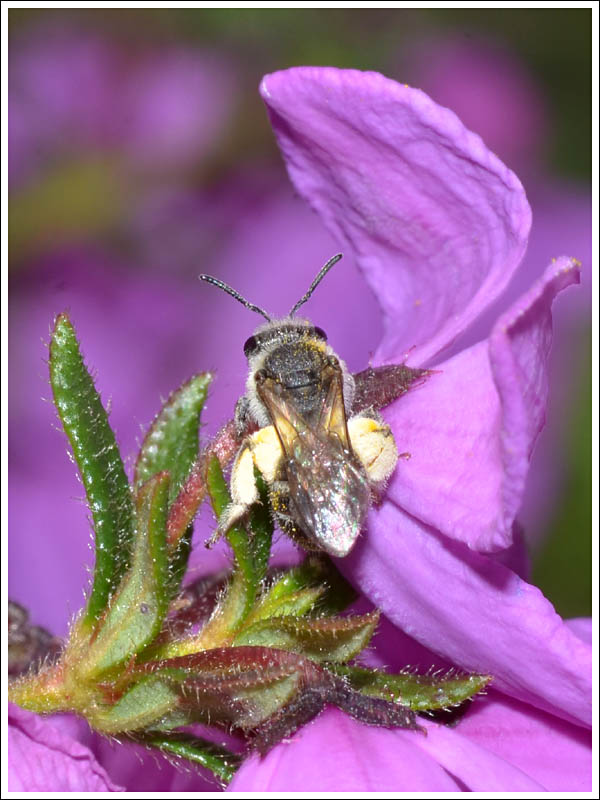
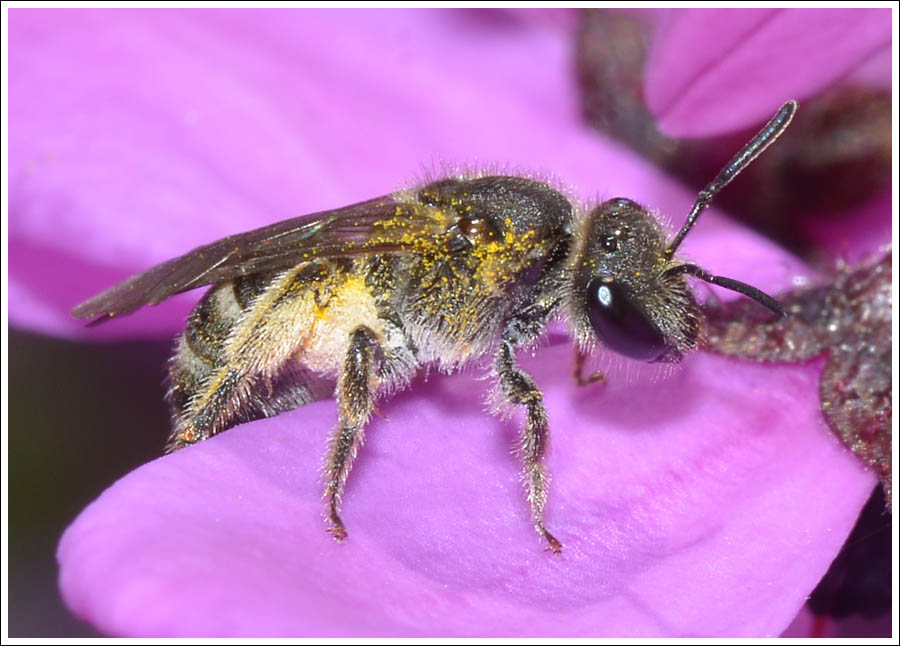
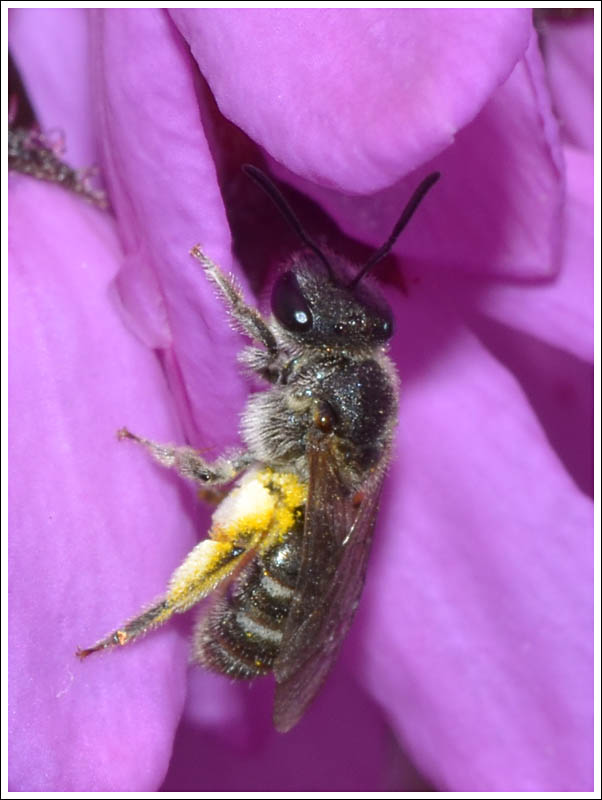
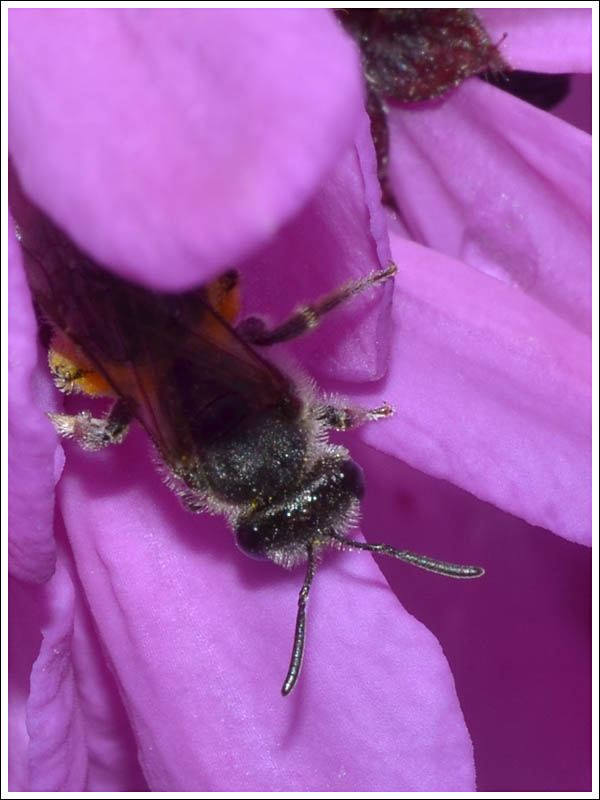
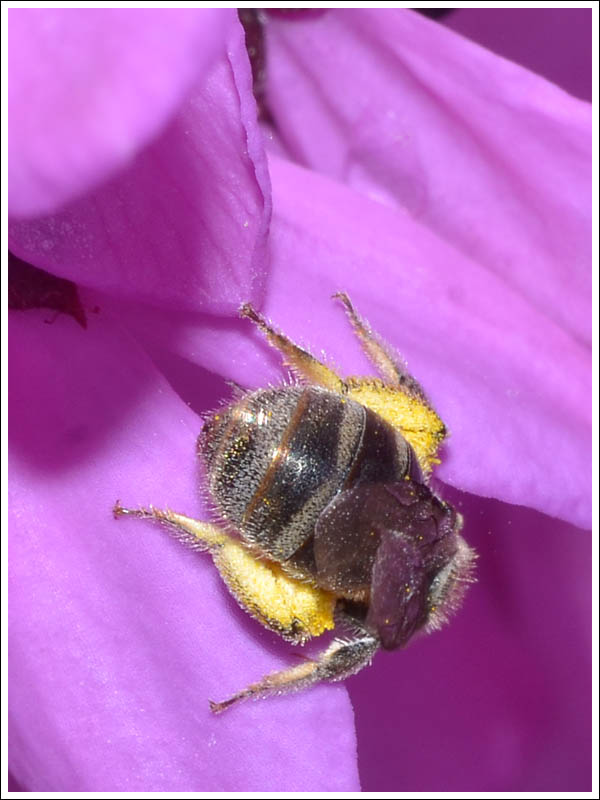
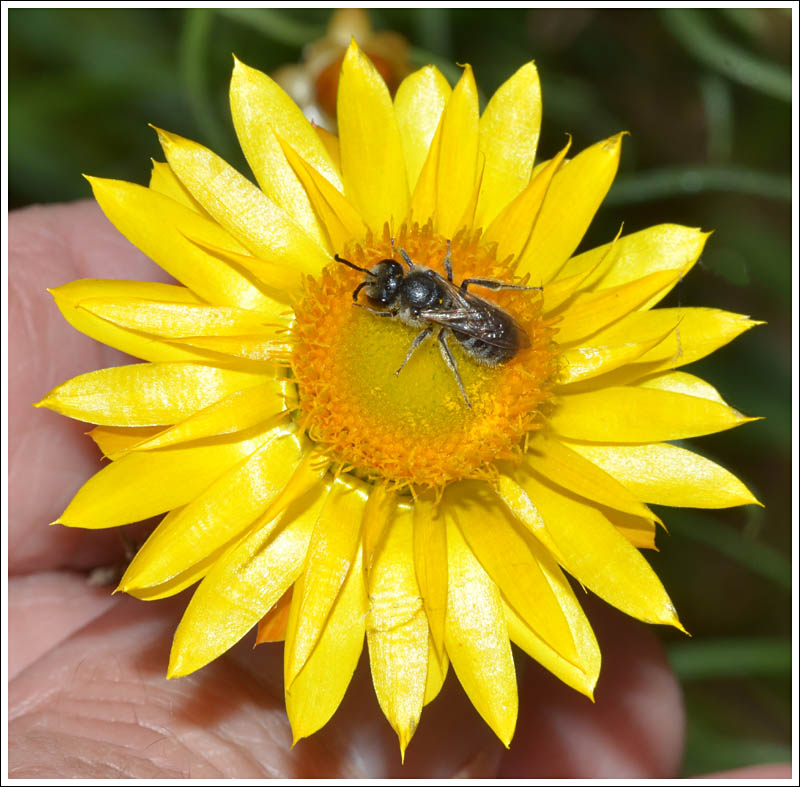
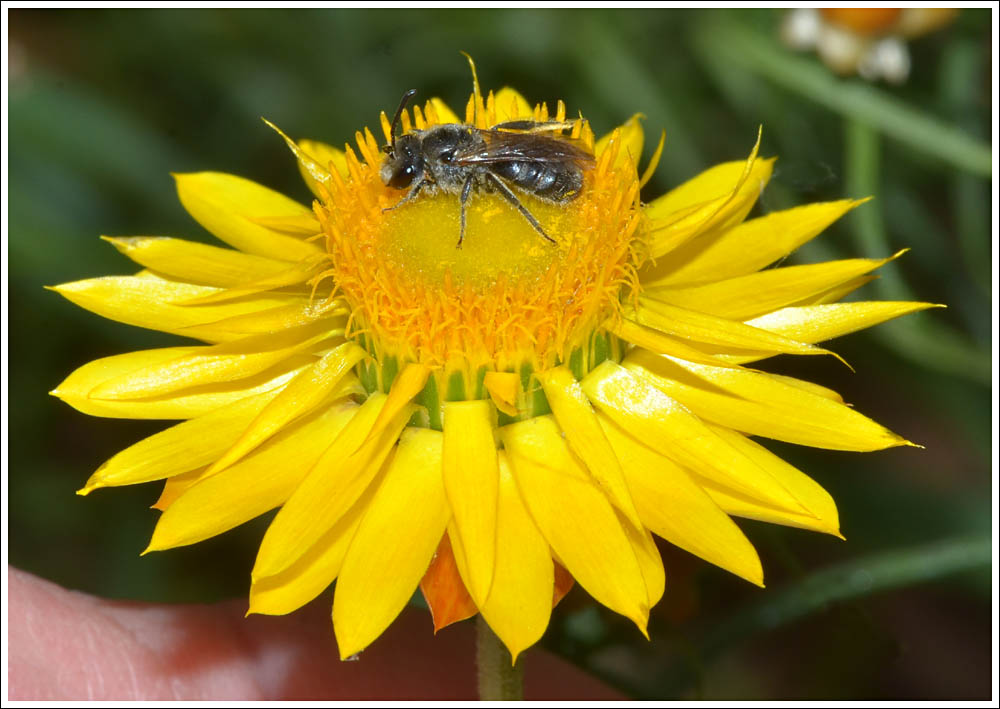
The Xerochrysum was in full flower and attended by native bees, Lasioglossum sp.
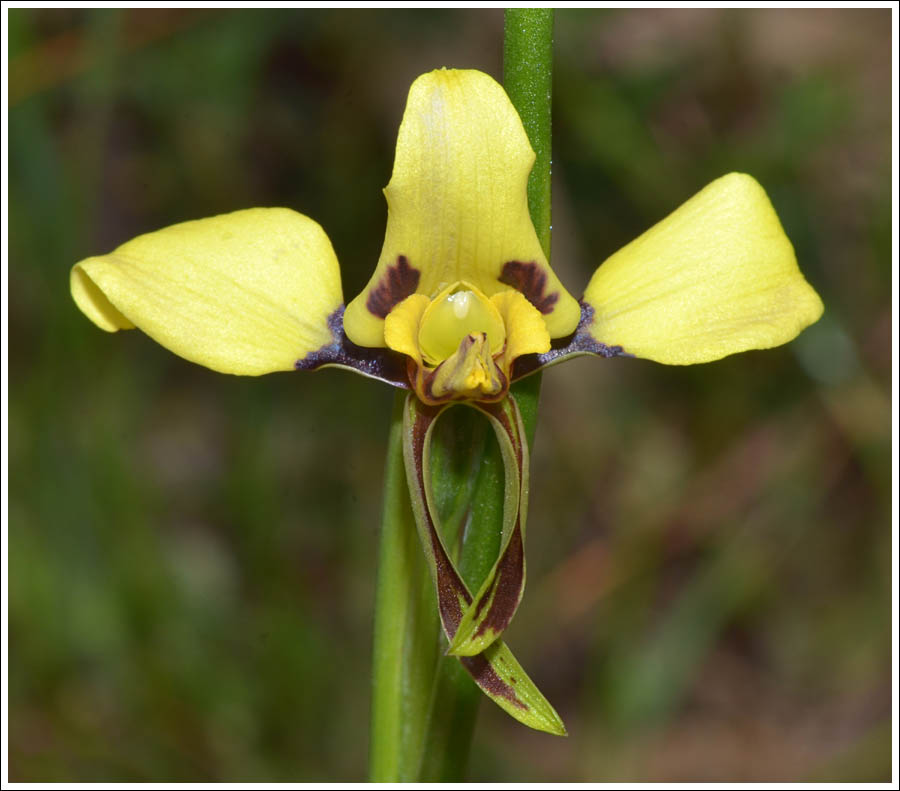
It was especially pleasing to find the diuris.
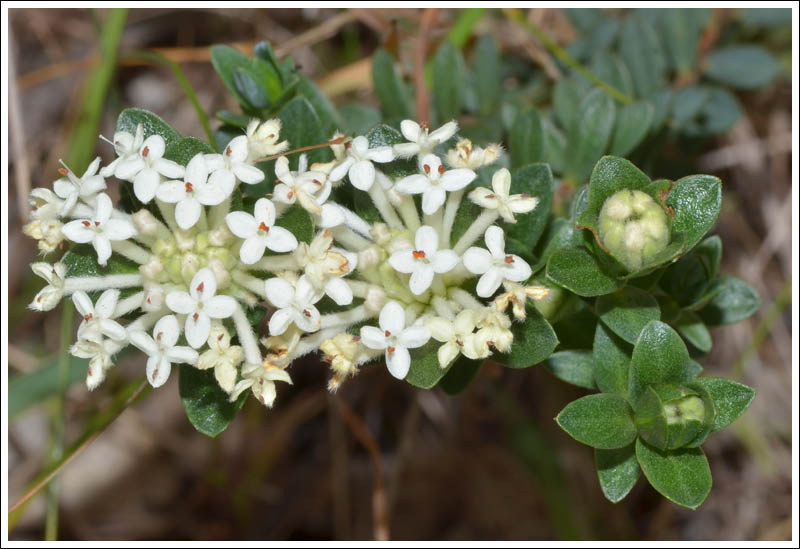
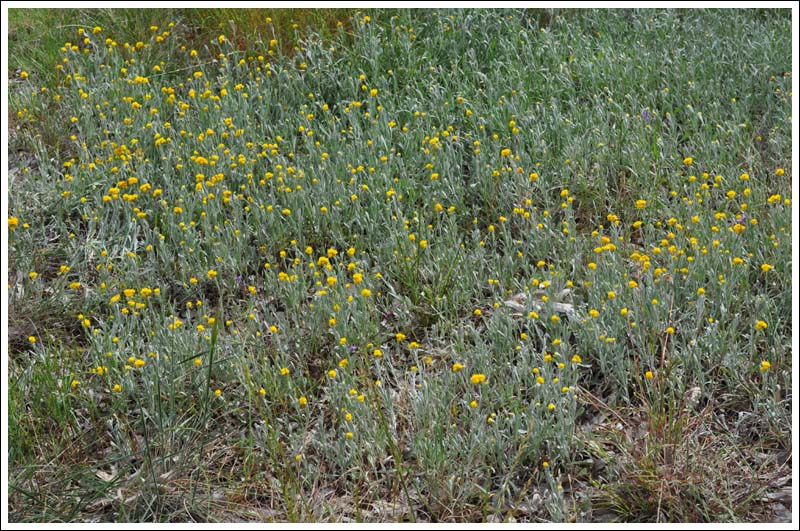
Further along the lane some Exocarpos cupressiformis and Allocasuarina stricta appear, there is the Red Gum companion Acacia implexa, an occasional Cassinia aculeata, and further still where the main tree cover changes to Red Box, E. polyanthemos, patches of Pimelea humilis and plentiful Chrysocephalum apiculatum, with Chocolate Lilies, Arthropodium strictum syn. Dichopogon strictus. The Spur Velleia, Velleia paradoxa used to be found there but was not sighted on this occasion, hopefully it too survives to be found on another day.
Pimelia humilis.
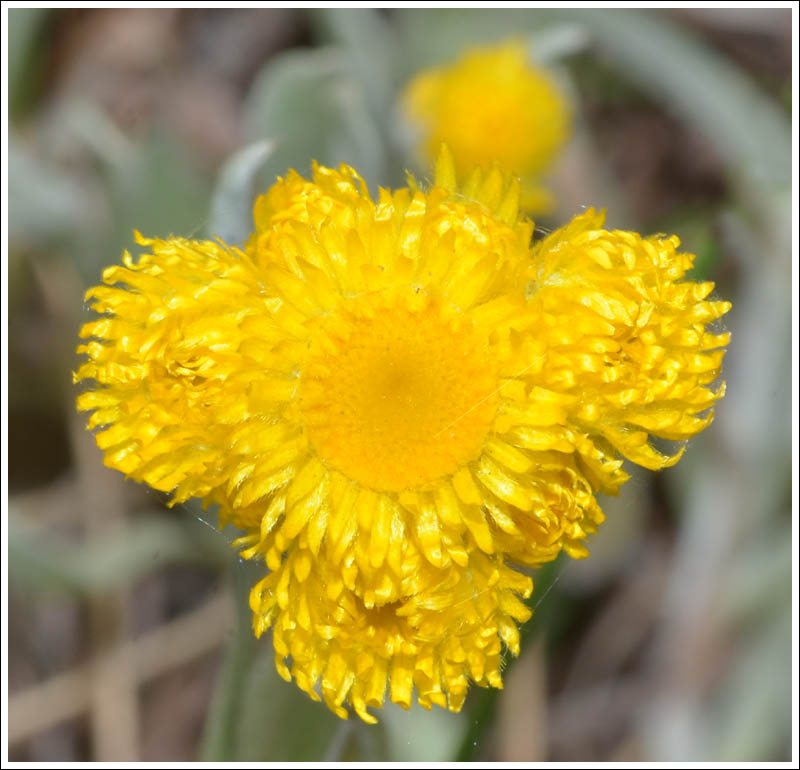
Chrysocephalum apiculatum.
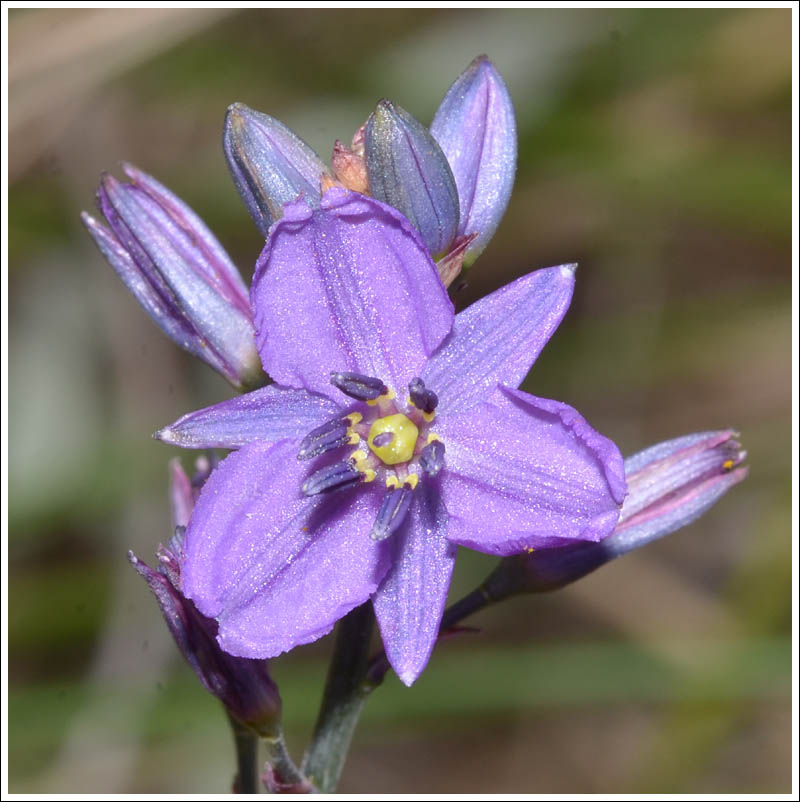
Arthropodium strictum.
Click images to enlarge.