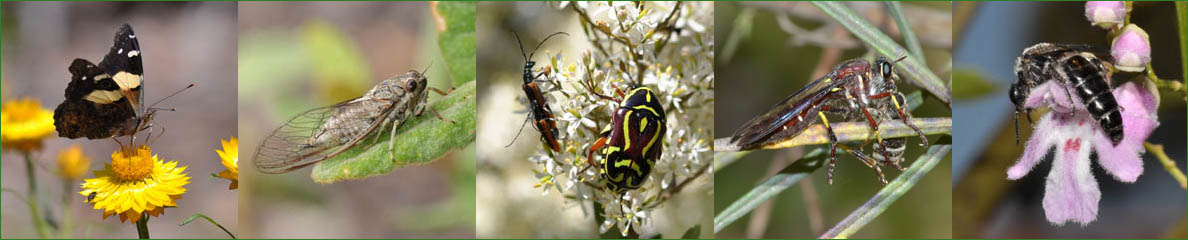
Half an hour with the camera.

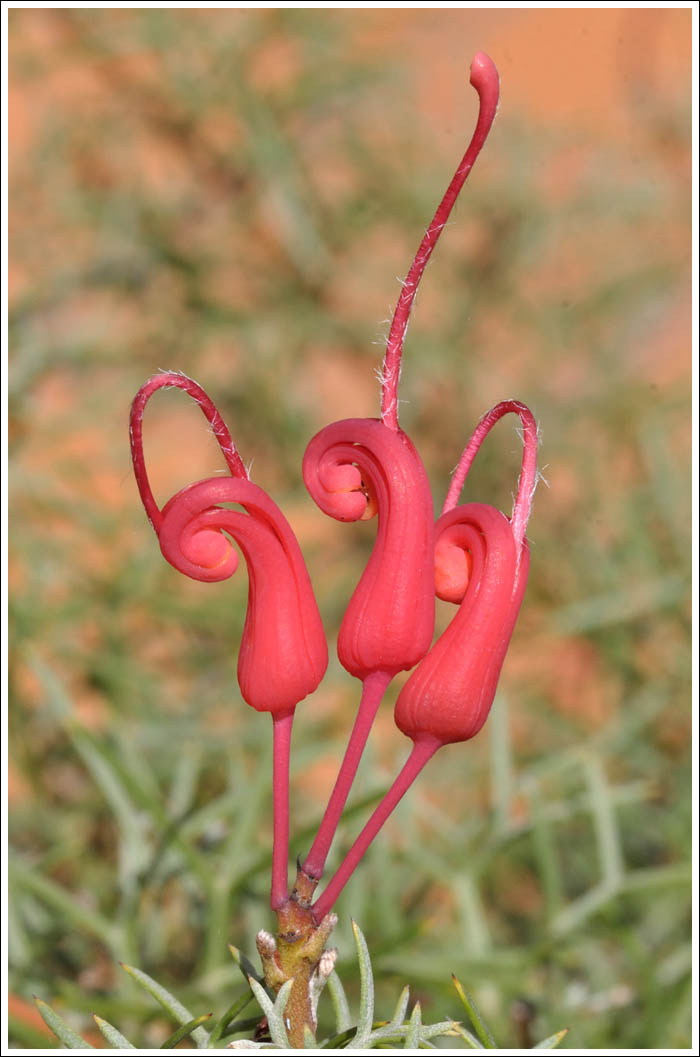
Yes, again in the garden, and the first snap is of the forty two year old Grevillea wilsonii, just starting to produce this season’s flowers.
Not far away is another south-westerner that has been very successful,  Kunzea baxteri.
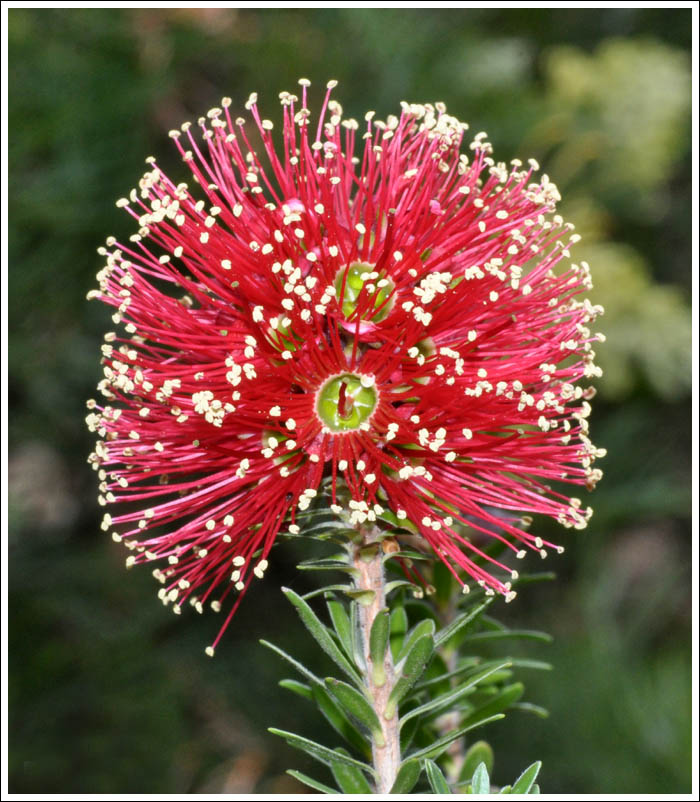
The Avon River Bottlebrush  is just starting to flower too, this rosy lilac Callistemon  grows at The Channel in association with the normal C. pallidus, with apparently no intermediate forms.

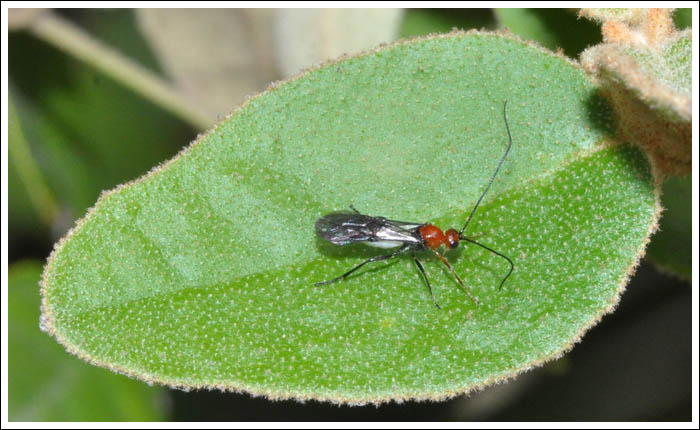
The leaves of the big hybrid correa are popular sun bathing spots for a variety of insects.
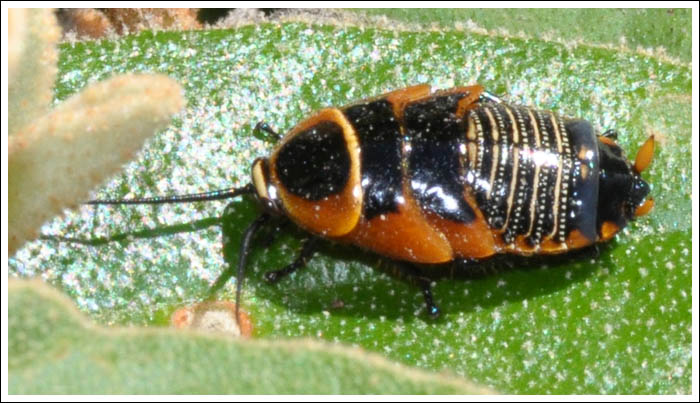
This plant is very popular with the Ellipsidion cockroach, juveniles are commonly seen.
The Yellow-banded Dart, Ocybadistes walkeri sothis is just starting to be seen flitting around.

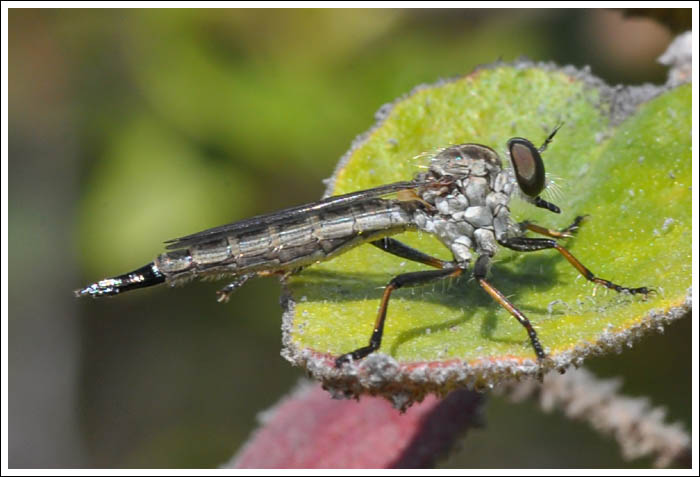
As are robber flies.
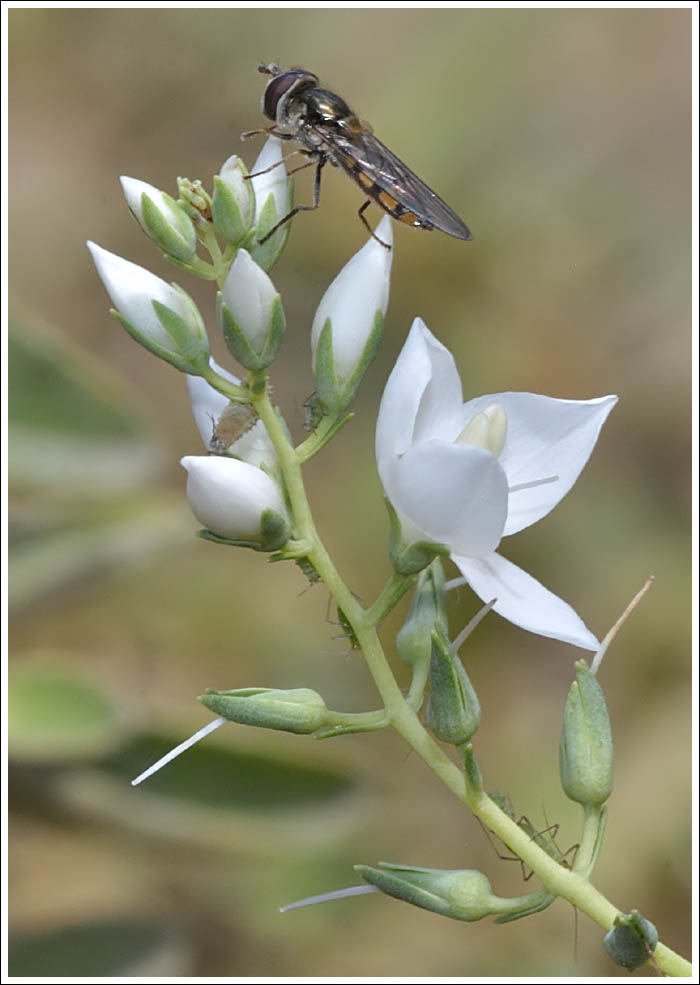
A hover fly on the white Digger’s Speedwell, the larvae feed on aphids.
Finally a potter wasp, family Eumeninae. One or two of these appear every season but so far have not been observed breeding.

More Allsorts.

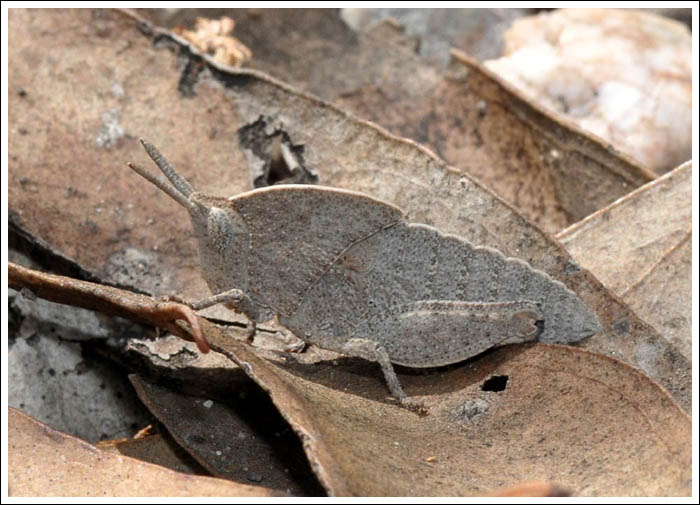
An invert outing into the box/ironbark bush was disappointing, Taxeotis and Dichromodes moths were on the wing, but the camera returned home with just one image, a Gumleaf Grasshopper.

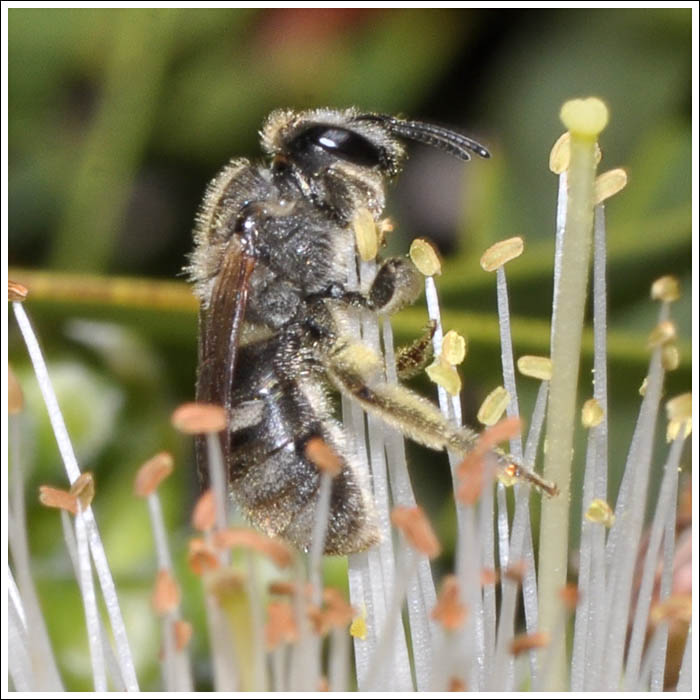
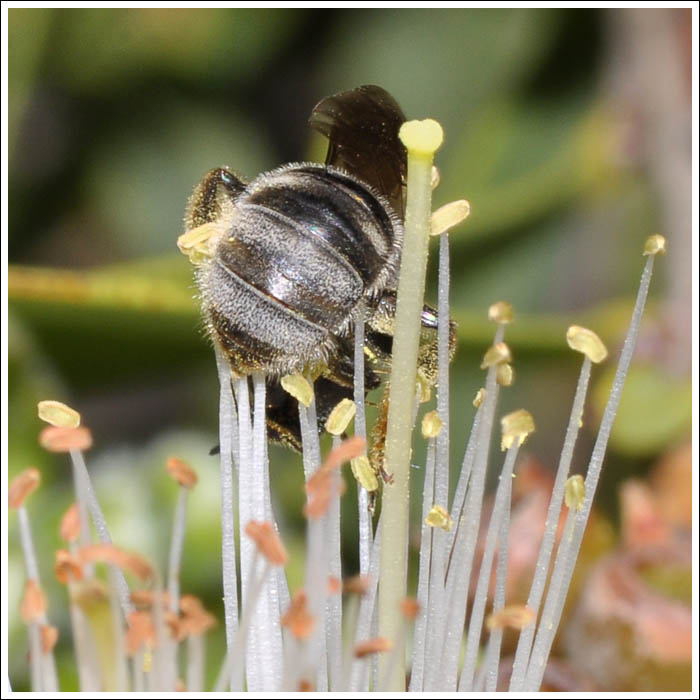
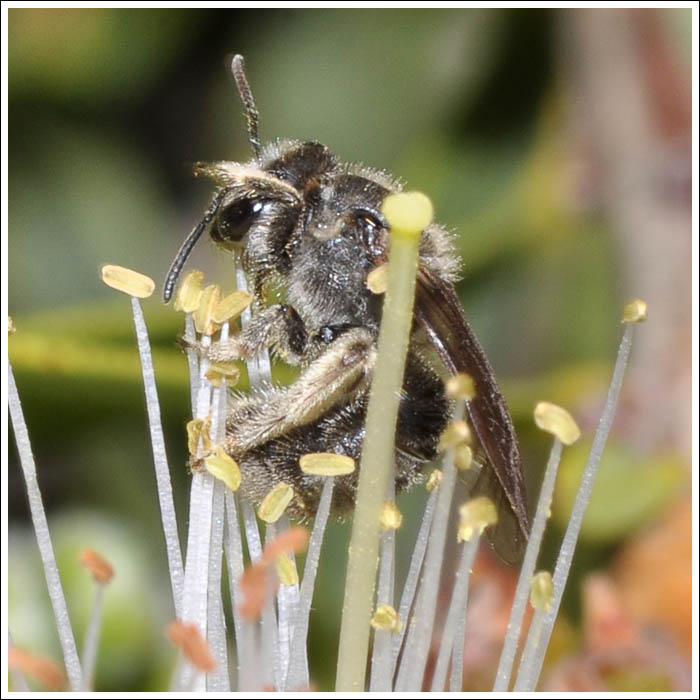
Never mind, the garden continues to be a happy hunting ground as these images of native bees illustrate. The white Callistemon citrinus is in flower and providing hard won nectar and pollen for Lasioglossum lanarium bees.

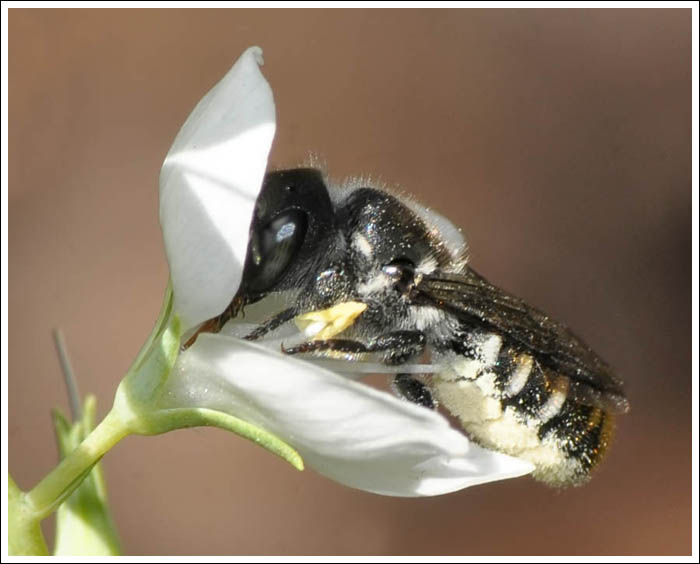
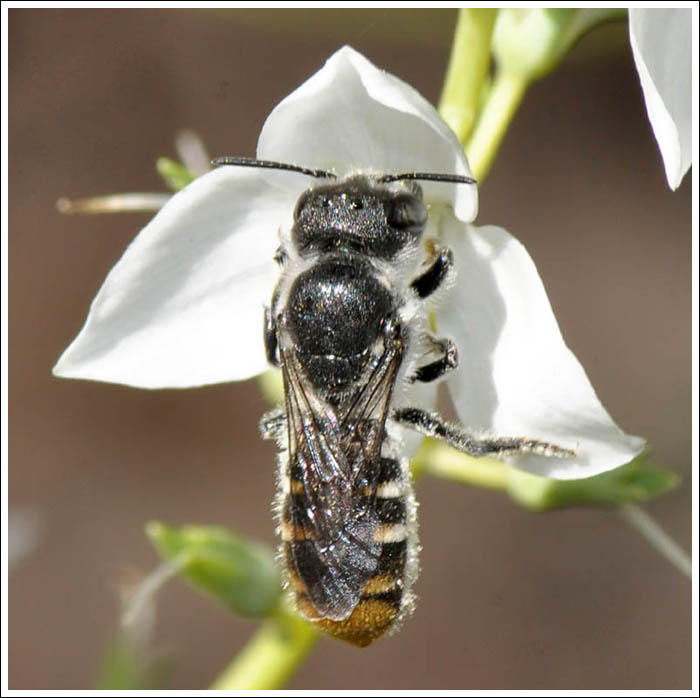
The white Digger’s Speedwell has been attracting this Resin Bee, family Megachilidae.

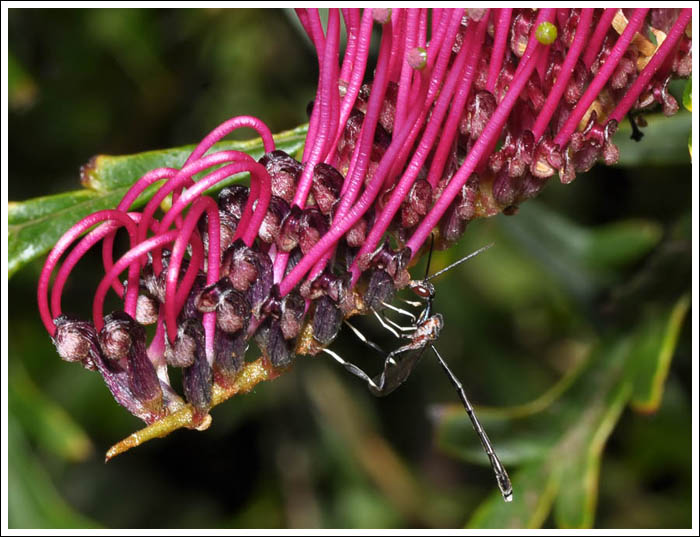
Wasps in the family Gasteruptiidae parasitise solitary bees like the above, this is a male seeking nectar.

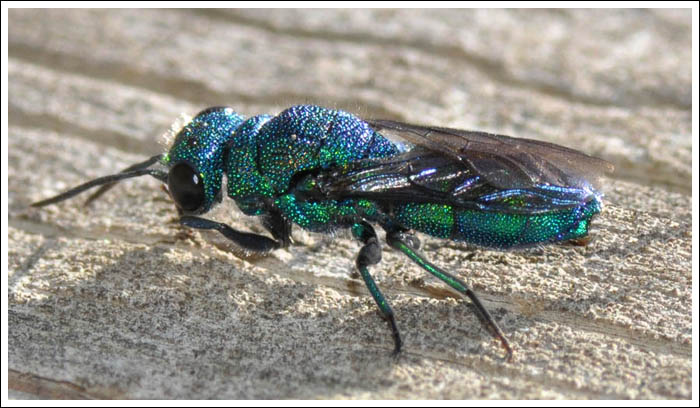
And wasps themselves are parasitised by their kind, for example this tiny colourful Cuckoo Wasp.

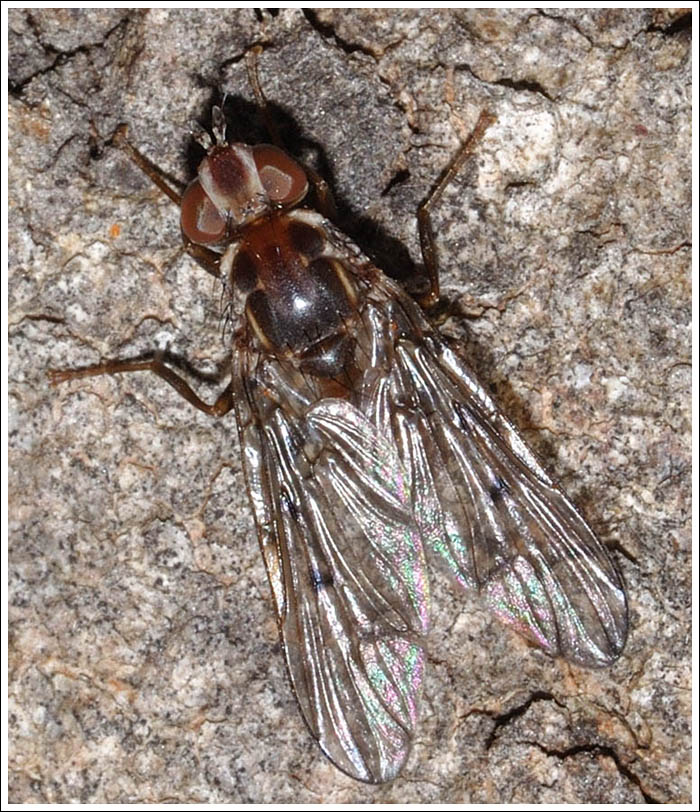
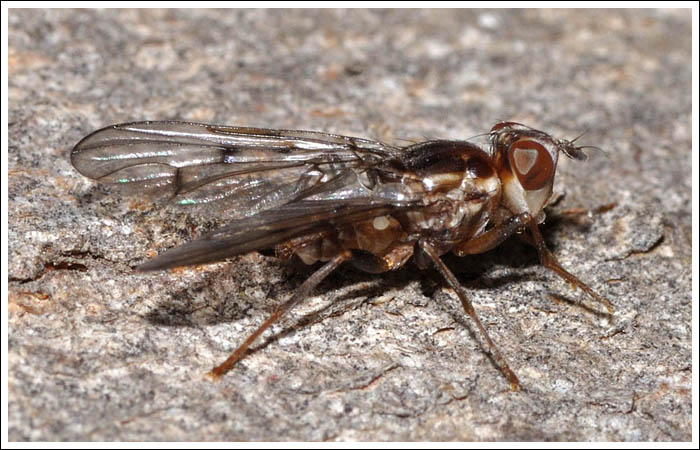
The next three images are, if the id is correct, scarab flies, family Pyrgotidae. The third, a female with ovipositor was attracted to the moth light, apparently normal behaviour. The larvae of scarab flies are parasites of scarab beetles.

And to conclude, a most unusual record for the native garden, a Jacky Dragon. When disturbed it took off at high speed to the the verandah and looked eager to go inside! Photographed in the bush on occasion, this was the biggest encountered so far, being nigh on twenty seven centimetres long.

Click Jacky to enlarge.