From the Garden.

A recent tweet by @conversationEDU noted that a garden is a thriving ecosystem, and taking that concept further, the type of garden dictates to a large extent the type of ecosystem. This garden comprises native trees, shrubs, and herbaceous plants, and the fauna reflects that vegetation mix, from the smallest invertebrate to the top of the food chain, the birds and microbats. It must be noted too that specific families/genera/species of fauna can be encouraged to take their place in the ecosystem by suitable planting. This will be the first garden based post with more to come as the seasons wax and wane. The subject is native bees that are increasing in abundance with the establishment of  their food plants, and the provision of suitable breeding habitat for some species. Bulbine Lilies  are popular, Paper Daisies less so but attractive to hover flies and pollen beetles, and featured in this post, Tetratheca thymifolia, where on a sunny day there was a whirling of female bees gathering pollen and nectar for larval food. First though, the Paper Daisies, where occasionally male bees can be found apparently just resting, often in the company of tiny pollen beetles.
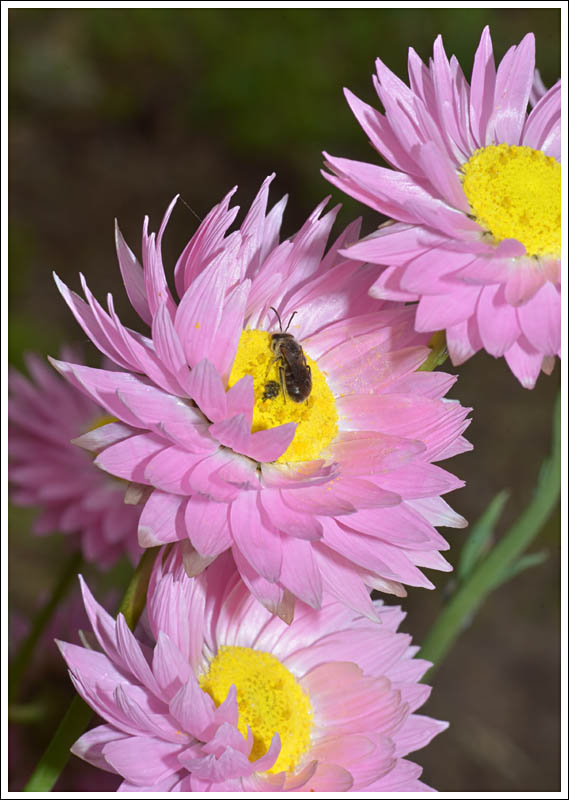
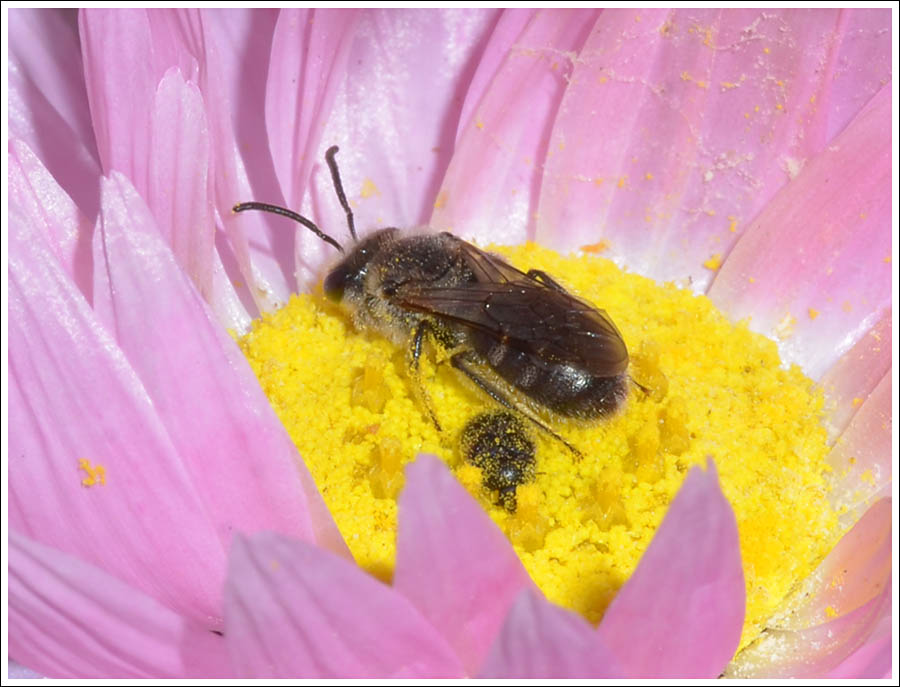
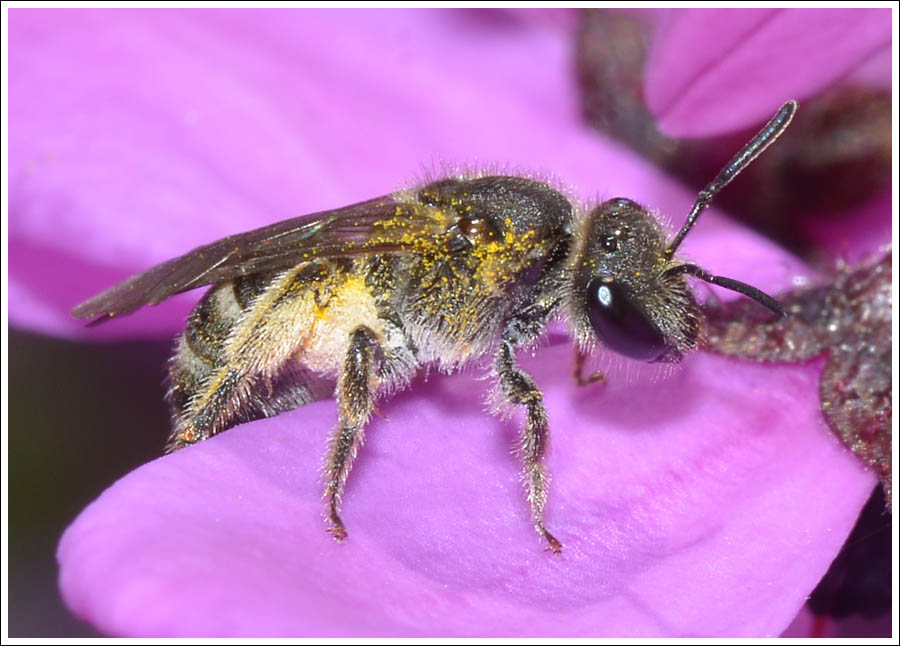
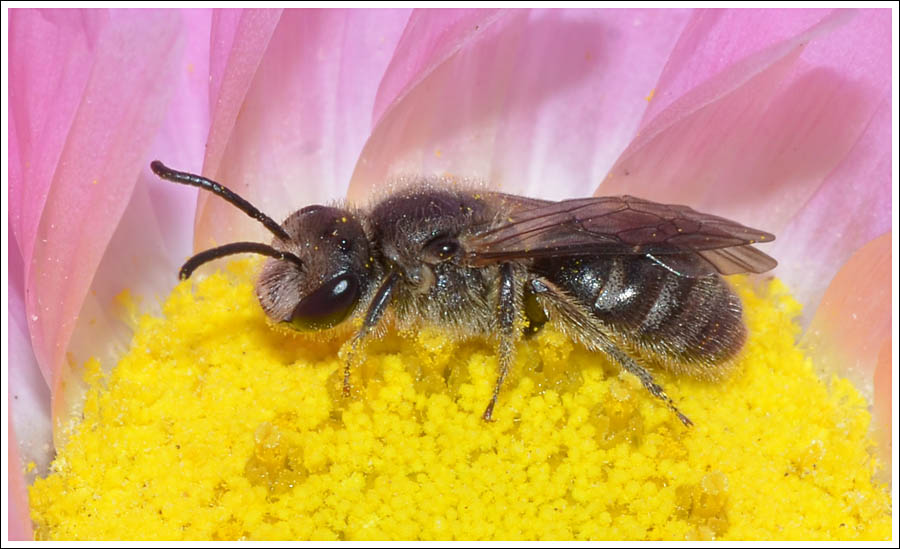
Male bee.
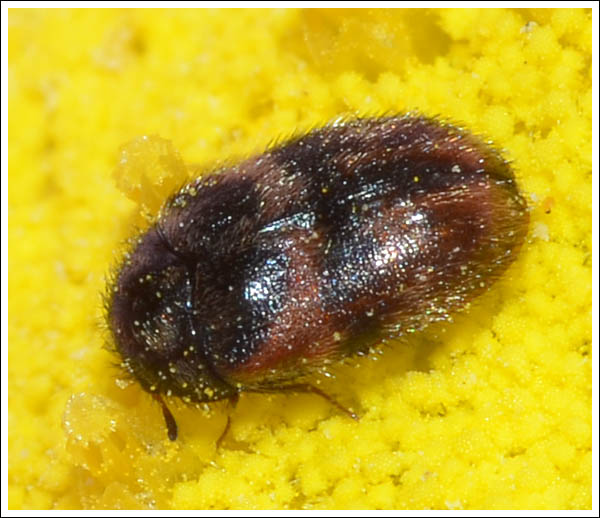
Pollen beetle, possibly Trogoderma species, 2.5 mm long.
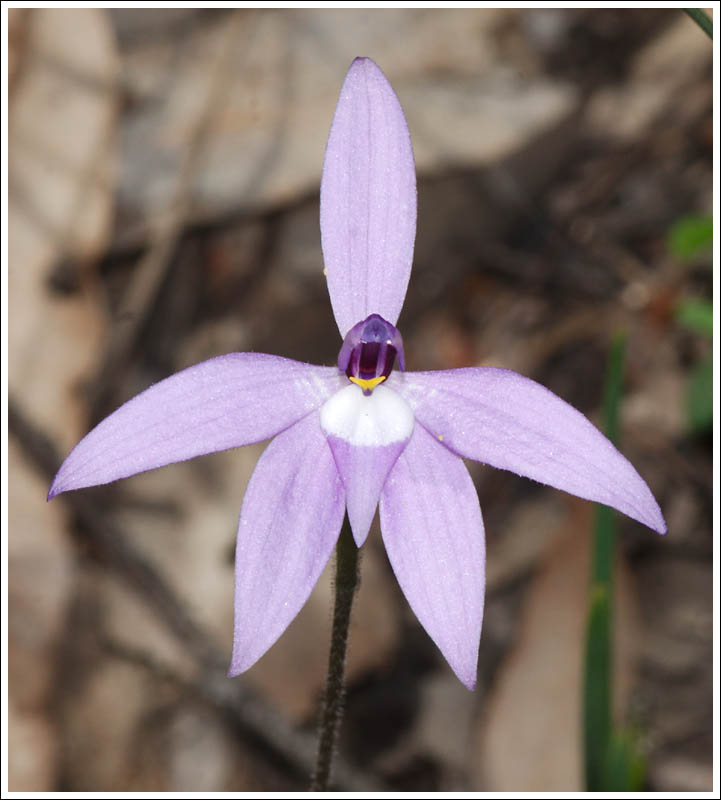
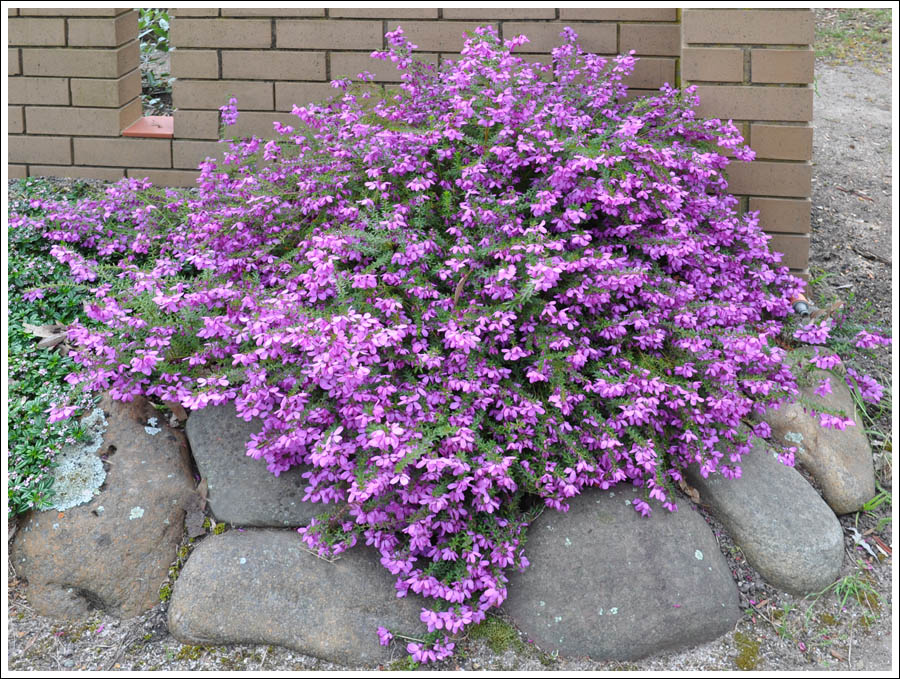
Tetratheca thymifolia, an excellent garden plant.
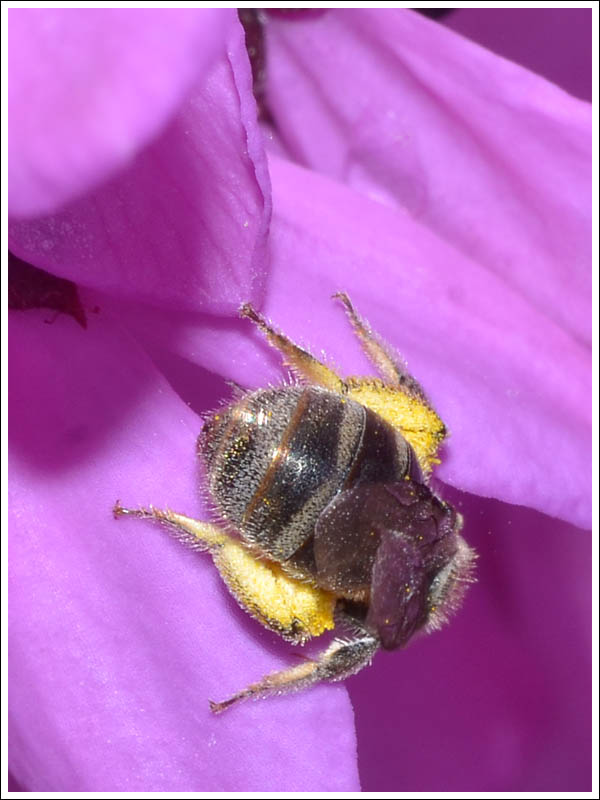
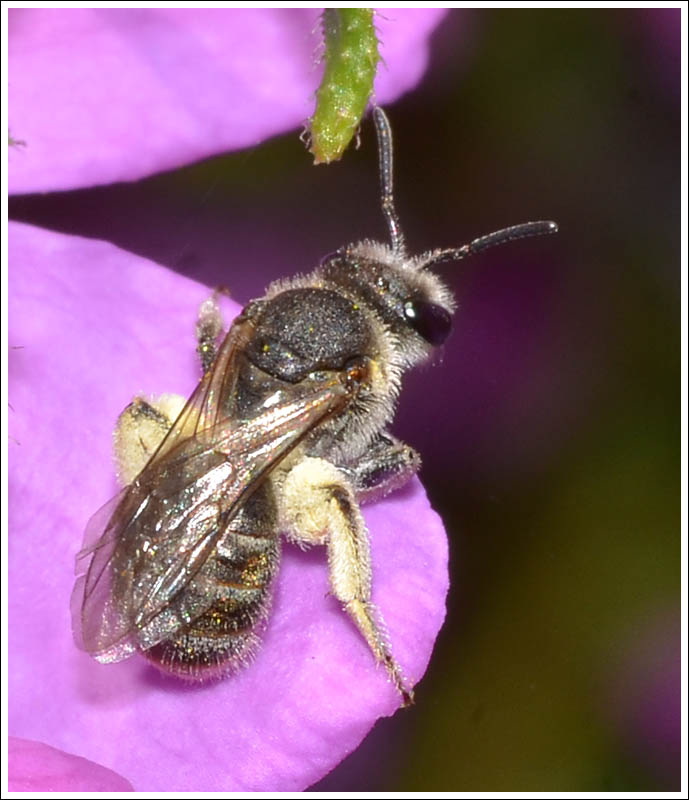
Female bees showing harvested pollen.
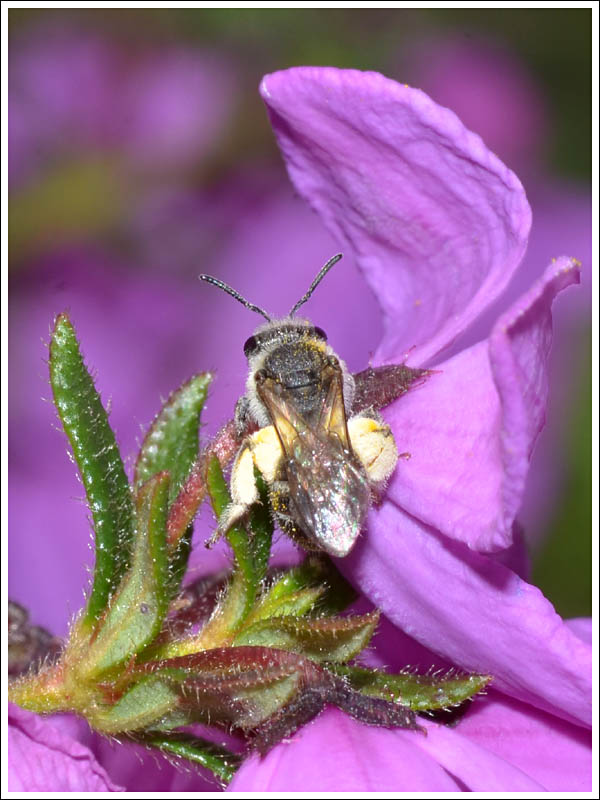
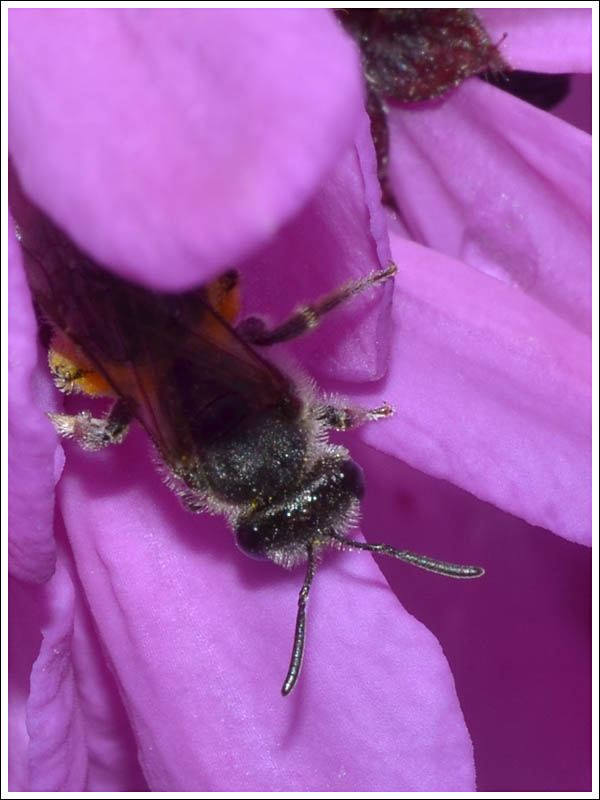
Sequence of female bee entering and leaving flower.
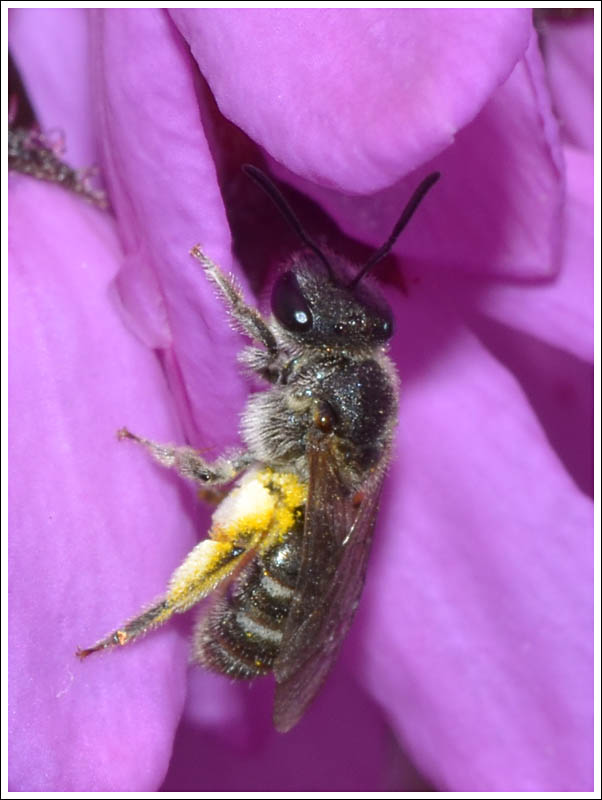
The bees shown are Lasioglossum species. either lanarium or brunessetum, it is difficult to be more precise from the photos. Thanks to Mitch for id help. Click images to enlarge.

References.
Mitch Smith.
Insects of South-Eastern  Australia by Roger Farrow.


Springtime in the Box-Ironbark Bush.

September has been characterised by the lack of sunny days and very cool night temperatures, consequently a lot of plant and insect life has been slow to respond to the new season. However, as always,  subjects of interest for the camera present themselves to the seeking eye. Towards the end of the month the white caladenias, C. catenata came out in force, and the first waxlips, Glossodia major made an appearance.

The Gold Dust Wattle, Acacia acinacaea had a heavy flowering, as did the Heath Wattle, A. brownii, and a feature of both were the flower flies, family Lauxaniidae, probably significant pollinators.

Also enjoying the wattle blossom were feeding case moth larvae, family Psychidae.

Chocolate Lilies are still in bud, but Milkmaids, Burchardia umbellata are starting to show.

A sharp eye scanning the twigs and leaf litter may see tiny jumping spiders, family Salticidae. Sometimes only 3 mm long, their small size belies their interesting  and sometimes quite striking appearance when seen in close up. This is Jotus auripes.

There is invariably something new to see, eg. this ant, Polyrachis  species.

Also on the forest floor, a native cockroach with egg case.

Some casemoth larvae are lichen feeders and can be found on shady surfaces.

In the insect world, sometimes the female may be wingless, as in this mating wasp pair. Shortly after the photograph was taken she dropped to the leaf litter and disappeared to lay her eggs.

As the weather warms moth activity increases, this small Oecophorid, Philobota arabella flew when disturbed. The larvae help to recycle leaf litter, feeding on dry eucalypt leaves.

Click images to enlarge.

References and further reading,
Insects of South-eastern Australia by Roger Farrow.