The Native Garden Ecosystem #9

The River Bottlebrush, Callistemon sieberi is having a second flowering, not as prolific as the first, but very attractive nonetheless and a magnet for wasps and other insects.

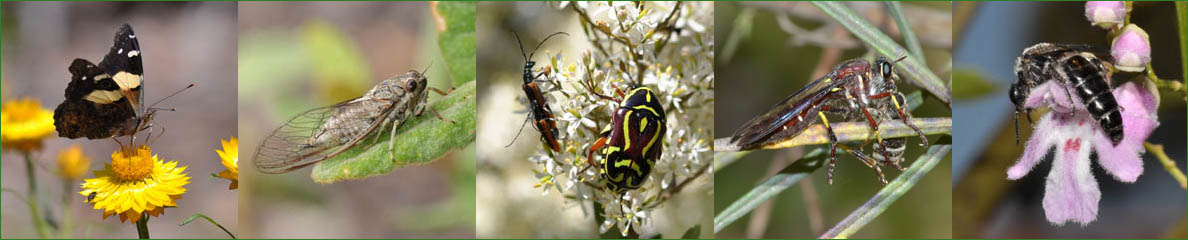
Wasps of many species have been very numerous this season, with more of the blue flower wasps than we’ve seen before, and what great pollinators they all are.

An interesting feature of this yellow species of flower wasp is the bands of hairs on the abdomen, visible in the images. Pollinators don’t come much better than this!

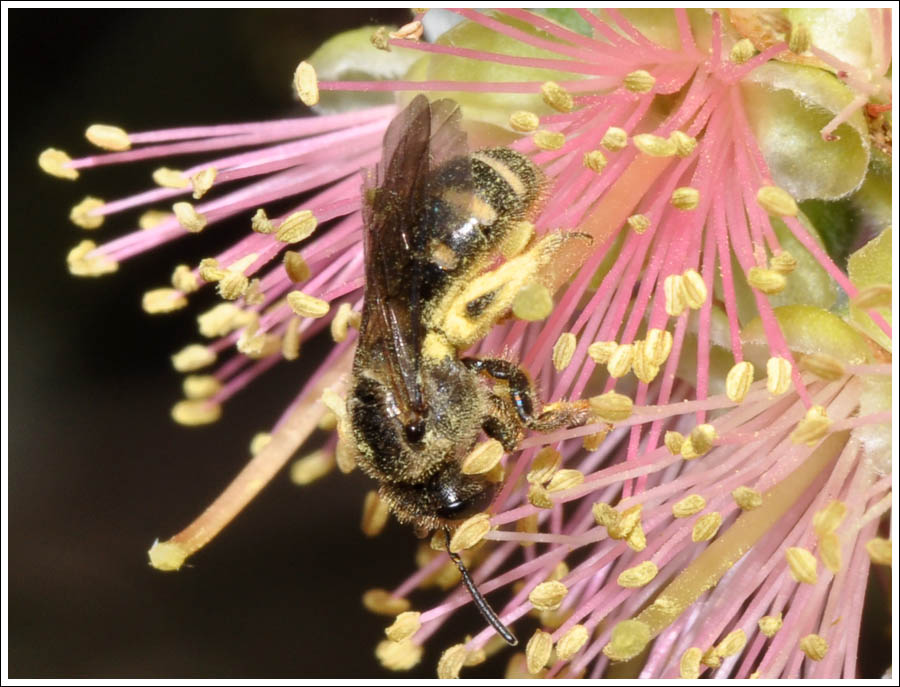
Apart from the blue-banded, native bees are scarce now, but the camera caught one collecting pollen and spreading it around….

Tachinid flies of many kinds are common in the summer garden, these were snapped on a Yellow Gum, E. leucoxylon.

Click to enlarge.


The Native Garden Ecosystem #8

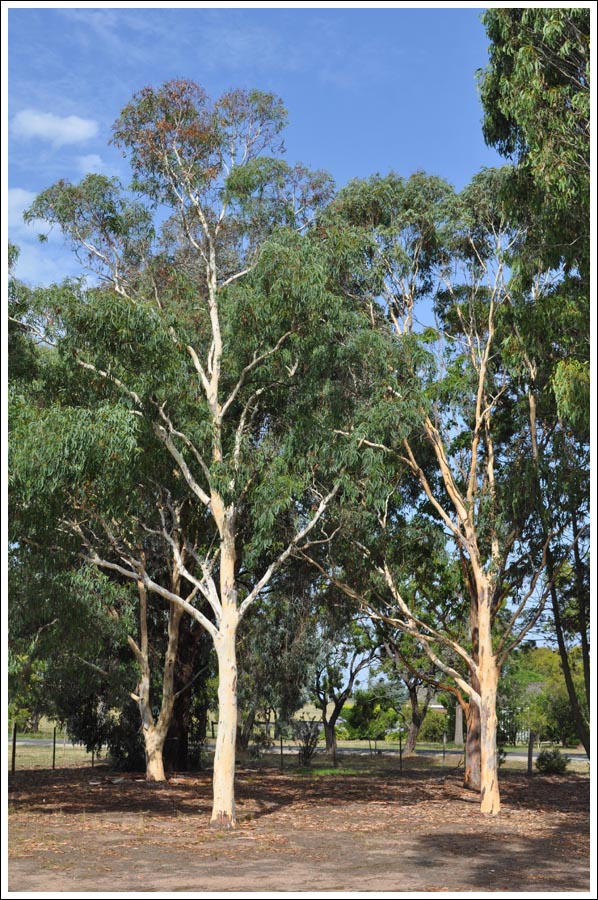
Mid summer and the White Brittle Gums have shed their bark and are looking fresh and bright.

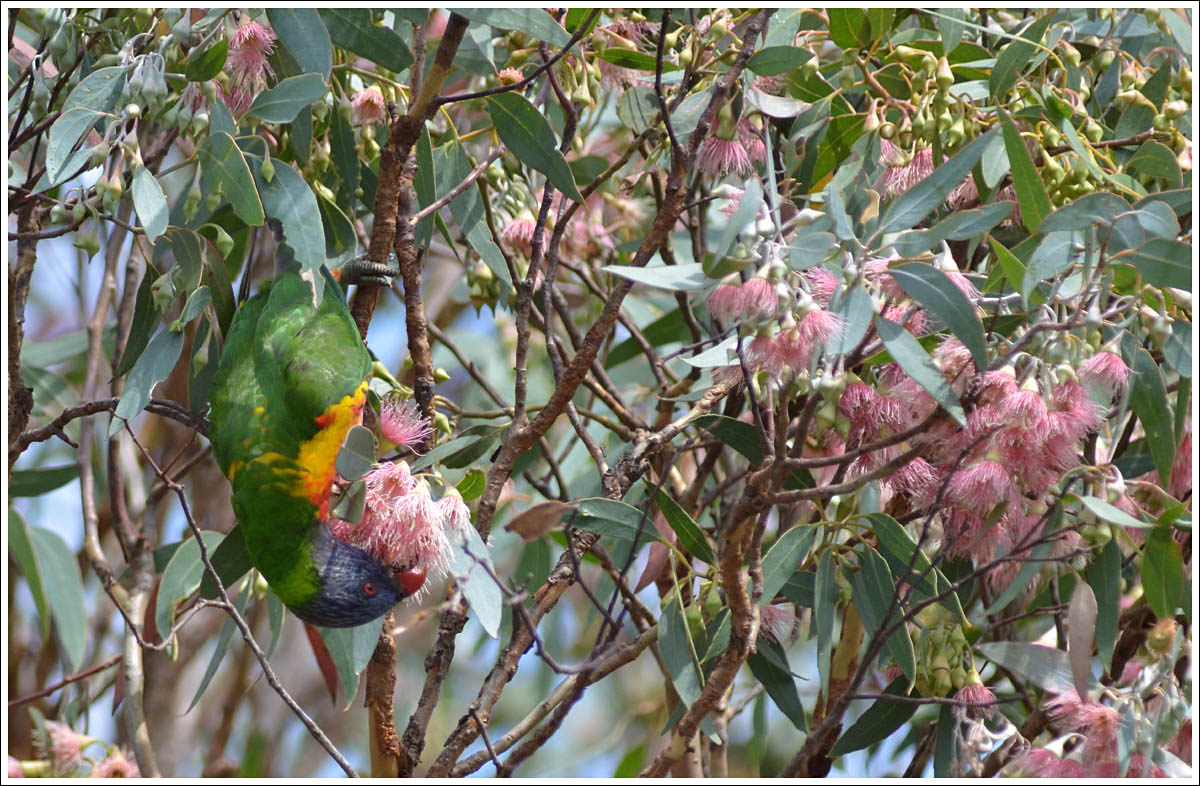
The glaucous-leaved pink-flowered E. tricarpa from our foothills is heavy in bud,

just starting to flower and giving the Rainbow Lorikeets a feast.

The Tau Emerald, Hemicordulia tau differs from the Australian Emerald in having bronze pterostigma and leading edge wing veins, the Australian has black.

Not all weevils have long snouts…….

The female Scorpion-tailed Spider, Arachnura higginsi is certainly a different looking animal. While she was being observed, a fly flew into the orb web and was quickly captured. A short time later it had been transformed into a black blob of spider food.

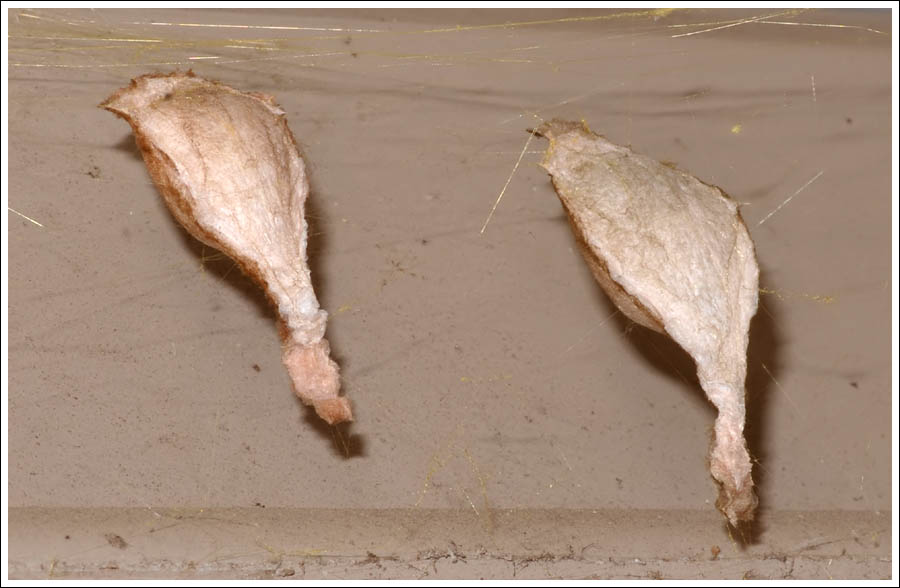
More than one species of spider suspend their egg sacs like this example on the clothes hoist, the spider that made it is unknown.

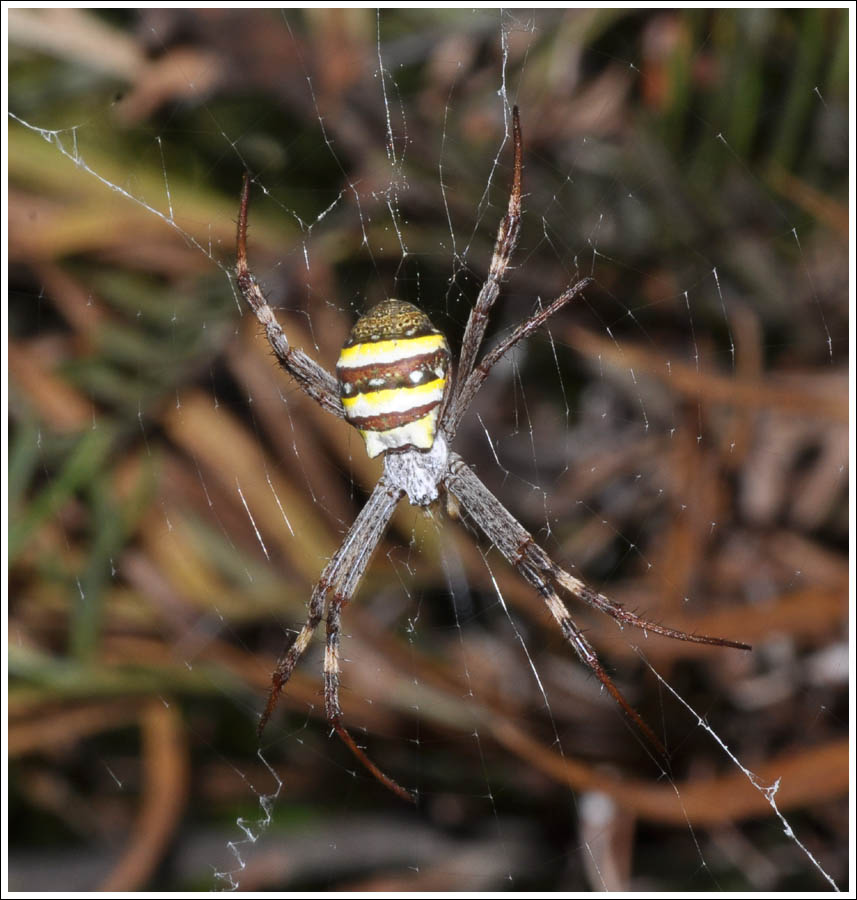
Two St. Andrew’s Cross spiders have been under observation, one up under the eave is a pale individual and so far has fixed two egg sacs close to the web. They are unusually large compared to the size of the female spider.

A pair live in a grevillea, and on two occasions the fat female has disappeared for twenty four hours to return to the web much reduced in size. A search found one of her egg sacs hidden in the foliage. While she is absent the male takes up position in the web.

Click to enlarge.