Wandering around the wetlands.

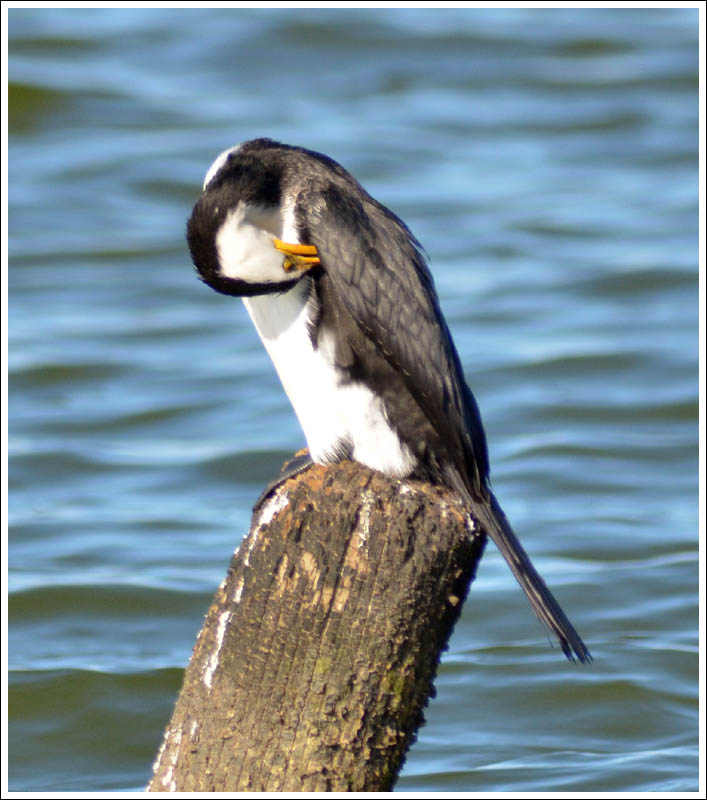
The post title is something of a misnomer, as a large proportion of the local wetlands are dry due to the lack of substantial rain over many months. Marlay Landing on Lake Wellington was the first port of call, the breakwater piles held one Little Pied Cormorant, lots of Silver Gulls and a number of Crested Terns. A White-faced Heron and Great Egret were in the backwater but too wary for a photo. In common with most of the birds photographed during the outing, resting and preening was the order of the day.
With Flooding Creek and the Sale Common marsh dry, Lake Guyatt with one relatively small muddy pool of remaining water offered a few photo opportunities.

A lone Yellow-billed Spoonbill with its plumage somewhat less than pristine was worth a series of shots as it preened and stretched.

A White Ibis was more presentable as it foraged for food in the shallows.

Click images to enlarge.

Autumn Colour.

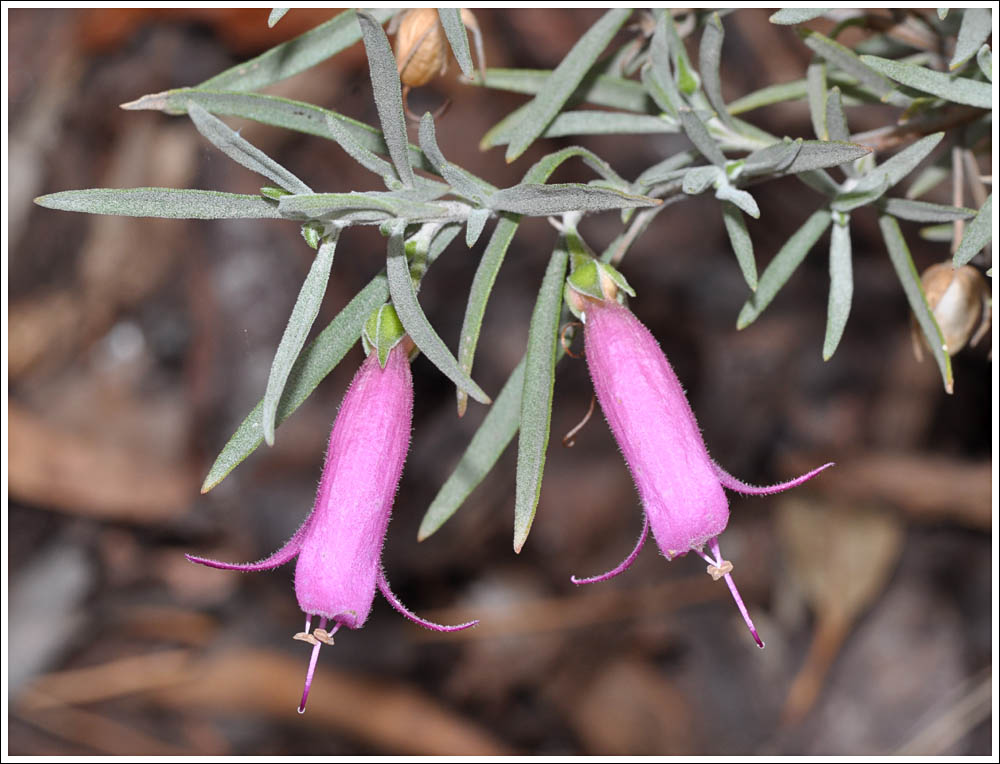
Not as you may think deciduous leaf colour, but flowers from autumn flowering plants in the native garden, starting with with two Correas, the cultivar Misty Pink, and one of the many forms of Correa reflexa, this rough-leaved form from the Mottle Range in East Gippsland.

Staying with tubular flowers, popular with nectar seeking honeyeaters, Eremophila maculata, and the very beautiful Eremophila glabra “Yanna Road”.

Moving to the Proteaceae, Grevillea Robyn Gordon was at the forefront of the G. banksii x bipinnatifida hybrids that have become so popular, and it is still one of the best.

It was closely followed by many others with the same parentage,

Grevillea  “Superb”

Grevillea “Soopa Doopa”.

A prostrate form of Grevillea lanigera, “Tamboritha”.

Autumn flowering Hakeas, Burrendong Beauty, and Hakea lissocarpha, pink form. The former has an interesting history that can be found here.

To conclude, a beautiful Crowea, Cane’s hybrid.

Click to enlarge.