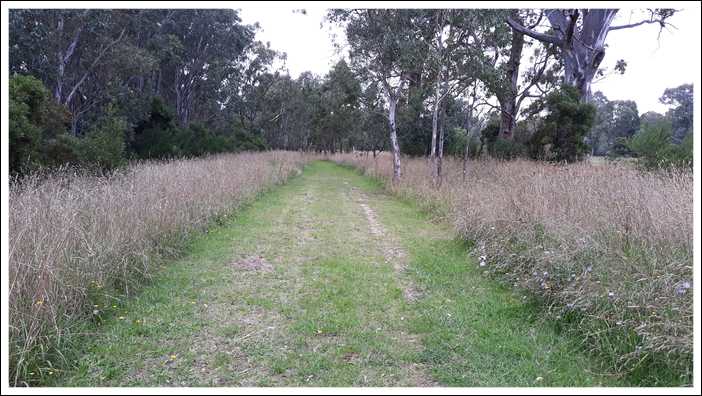
A recent post detailed the number of Jade Hunter dragonflies observed by the river, but a few days later they had completely disappeared. Then, a month later they were found again during a walk along the disused old road in the reserve, adjacent to the creek that enters the river just upstream from the first sighting. This open area surrounded by vegetation is the type of location favoured by patrolling dragonflies.
The old road.
A mating pair was photographed, wings of both having become tattered during the intervening weeks.
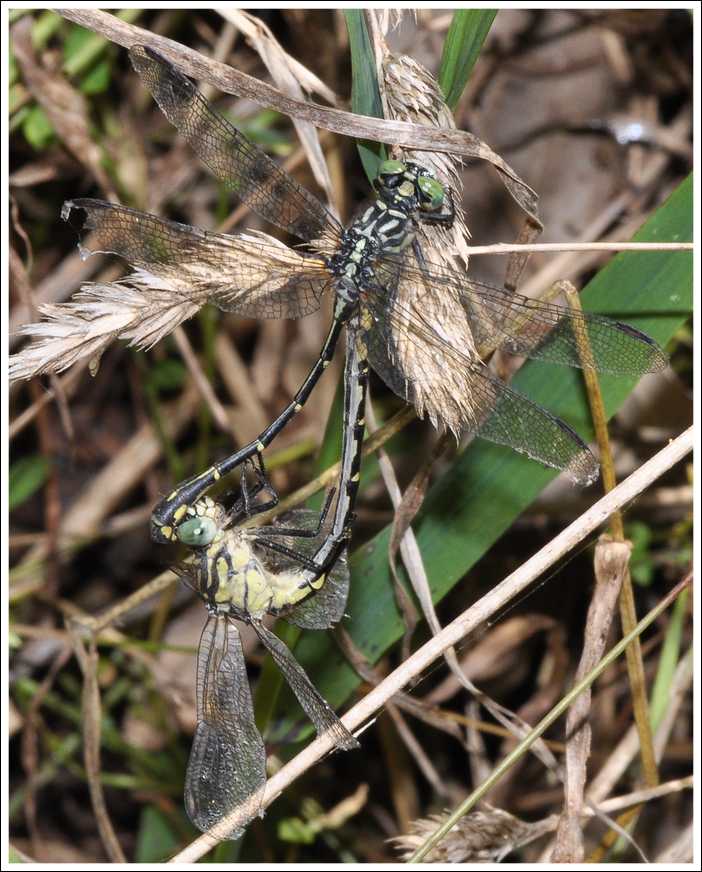
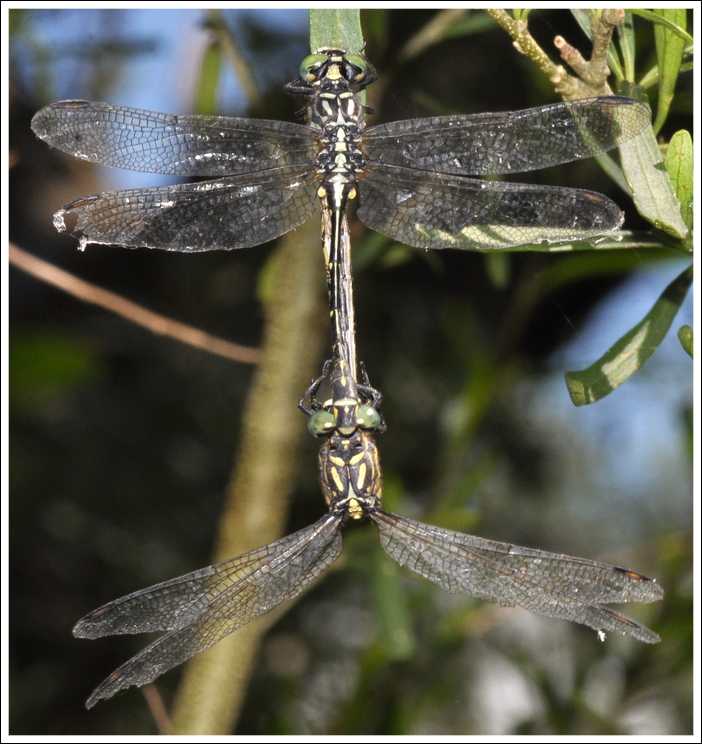
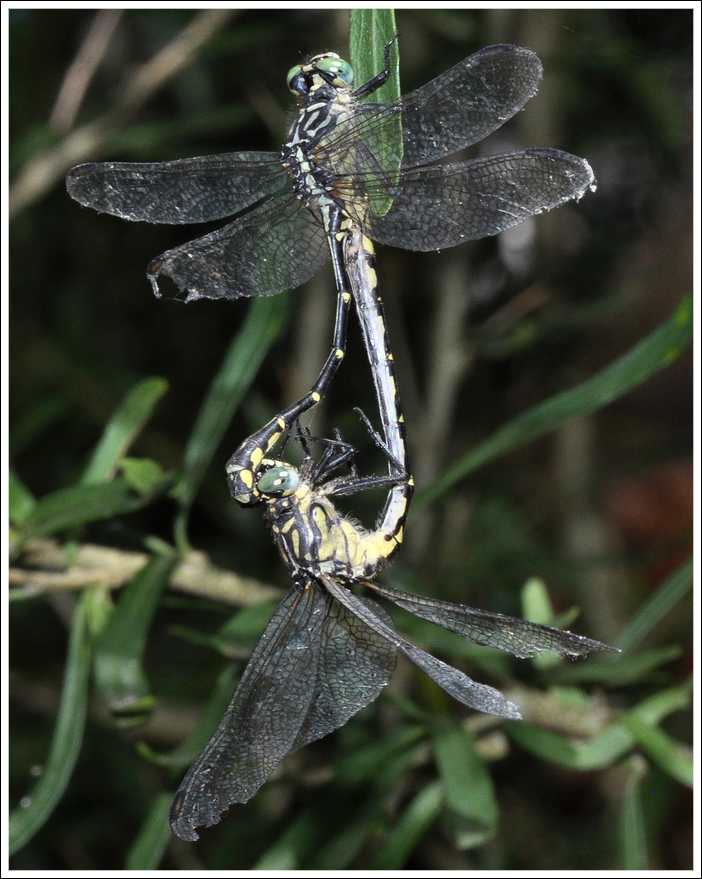
Free flying individuals were numerous, but two more visits seeking photos were unsuccessful, they were extremely wary, and perched individuals took off with the camera still many metres away. Australian Emeralds were much more cooperative.
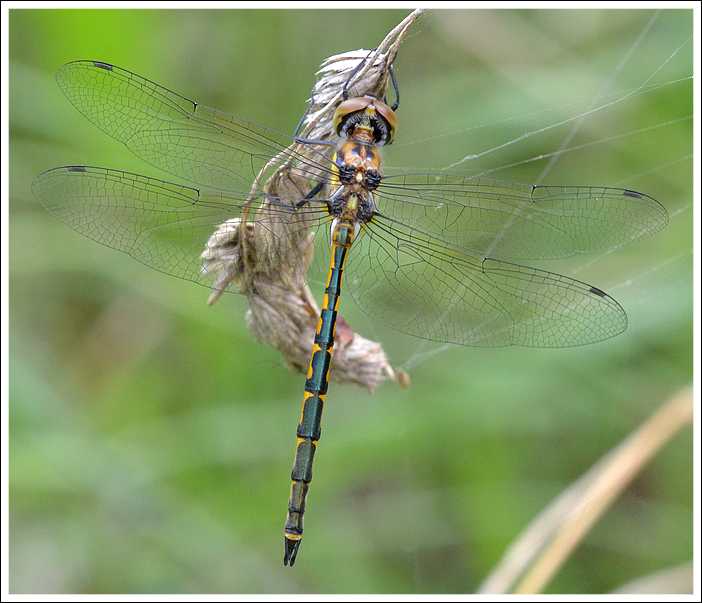
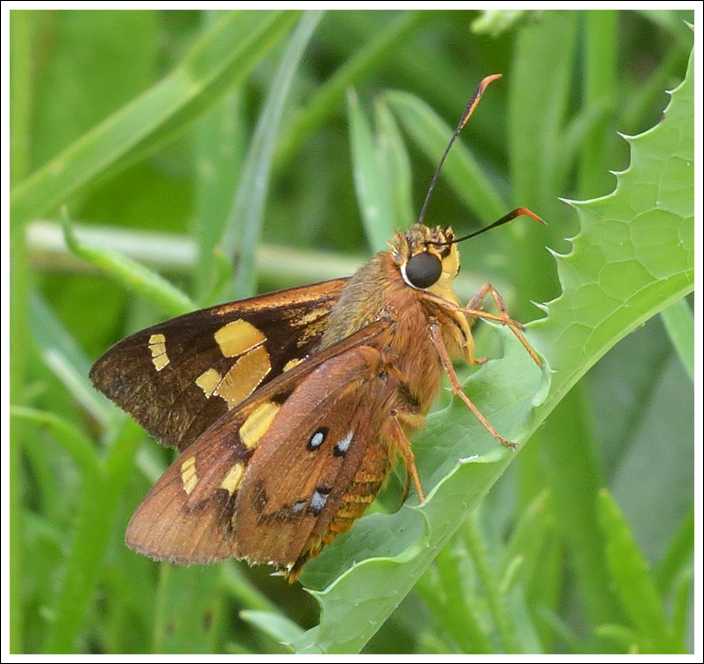
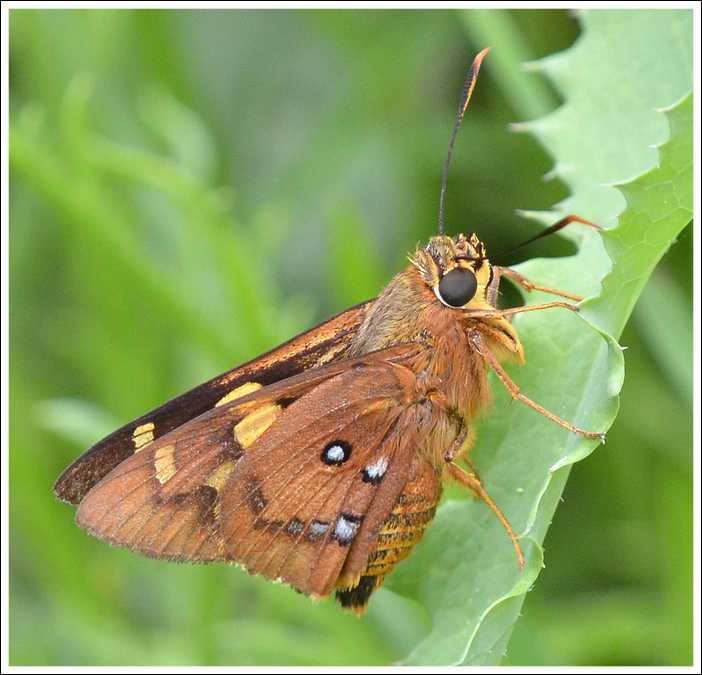
Another surprise was in store however, an interesting small butterfly took off and disappeared for a short time, then returned and perched just a metre away, posing happily for the camera. It was a Splendid Ochre, Trapezites symmomus, also known as the Symmomus Rush-skipper. A favoured larval food plant is Lomandra, and at a planting day over fifteen years ago two Lomandras were put in the ground nearby, and have grown into large clumps. A lesson there on planting to encourage biodiversity.